


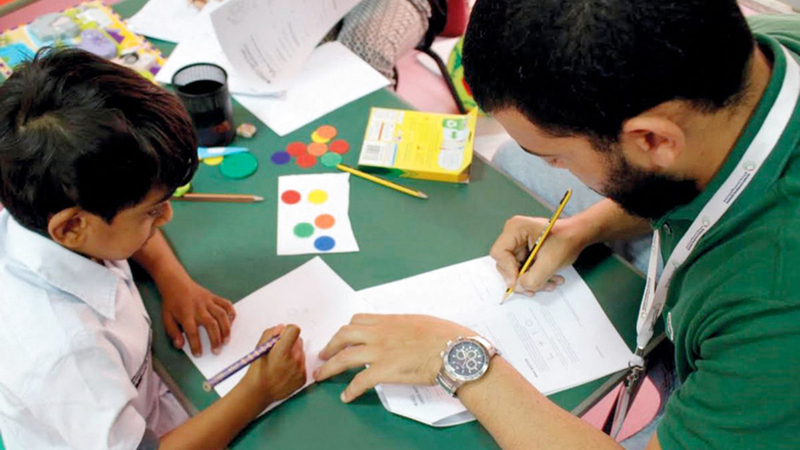
The early years of a child’s life are foundational, shaping their future development and well-being. Recognizing this, the Ministry of Family in the UAE has launched significant initiatives focused on early intervention to identify and address developmental delays promptly. These programs aim to empower families and educators with the knowledge and skills needed to support children during these crucial stages, ensuring they reach their full potential. This article will delve into the details of these initiatives and their impact on the community.
The Ministry of Family’s Commitment to Early Childhood Development
The Ministry of Family understands that proactive support during a child’s formative years is paramount. Their commitment extends beyond simply identifying delays; it encompasses creating a supportive ecosystem where children can access specialized services as early as possible. This is achieved through a collaborative approach, strengthening the partnership between families, educational institutions, and healthcare professionals. The ultimate goal is to improve developmental outcomes and enhance the overall quality of life for children across the UAE.
This dedication is reflected in the Ministry’s focus on expanding community partnerships and fostering a culture of early detection as a cornerstone of both educational and healthcare practices within the nation.
Four Key Initiatives for Enhanced Readiness
To bolster early intervention capabilities, the Ministry of Family has implemented four core initiatives and awareness programs. These are designed to reach a broad audience and provide targeted support where it’s most needed.
These programs focus on:
- Empowering Families: Providing parents with the resources and understanding to recognize developmental milestones and potential concerns.
- Training Educators: Equipping teachers and childcare providers with the skills to monitor children’s progress and identify early signs of delays.
- Accessible Services: Ensuring that specialized services are readily available through the Ministry’s Early Intervention Centers and Units located throughout the Emirates.
- Raising Awareness: Promoting the importance of early identification and intervention within the wider community.
Practical Applications: Workshops, Assessments, and Consultations
The Ministry’s initiatives aren’t confined to theoretical frameworks. They translate into tangible support for families and educators. A key component involves organizing “Open Days” at Early Intervention Units, allowing families to learn about available services and connect with specialists.
Furthermore, developmental screenings are being conducted to proactively identify children who may require additional support. These screenings are often coupled with specialized consultation corners staffed by experts in speech therapy, occupational therapy, physical therapy, and special education. This multi-disciplinary approach ensures a comprehensive assessment of a child’s needs.
The Ministry also recognizes the vital role of childcare centers. They’ve been providing informative workshops and visual presentations to staff in nurseries, focusing on the significance of early detection and intervention. This helps to raise awareness among caregivers and ensures they can contribute to identifying potential issues.
Focus on Skill Development Through Targeted Workshops
A recent workshop held by the Ajman Early Intervention Unit exemplifies the Ministry’s practical approach. The comprehensive session was specifically designed for parents and centered around core developmental areas.
The workshop was thoughtfully structured into six key learning stations:
- Cognitive Development: Activities to stimulate thinking and problem-solving skills.
- Gross Motor Skills: Exercises to promote large muscle movement and coordination.
- Fine Motor Skills: Activities to enhance small muscle control and dexterity.
- Social Development: Opportunities to foster social interaction and emotional understanding.
- Self-Help Skills: Tasks to encourage independence and self-sufficiency.
- Communication Skills: Exercises to improve language and communication abilities.
Participants engaged in hands-on activities, learning how to implement these strategies at home and understand their importance in supporting their child’s overall development. This direct training empowers parents to become active partners in their child’s growth.
The Importance of Collaboration and National Responsibility
Ali Al-Mousawi, Head of Diagnosis and Assessment at the Ministry of Family’s Department of Care and Rehabilitation for People of Determination, emphasized that empowering families and educators with effective early intervention tools isn’t merely a service, but a national responsibility. He believes it’s the optimal path towards building a confident, healthy, and successful generation.
He further stressed that a collaborative effort involving families, the community, and educational institutions is crucial for creating a brighter and more supportive childhood for all children. This holistic approach acknowledges that a child’s development is influenced by a multitude of factors and requires a coordinated response.
Looking Ahead: Building a Brighter Future
The Ministry of Family’s dedication to early childhood development is a significant investment in the future of the UAE. By prioritizing early detection and intervention, they are laying the groundwork for a generation that is equipped to thrive. Continued expansion of community partnerships, ongoing training for professionals, and increased awareness campaigns will be essential to sustaining this momentum.
Ultimately, the success of these initiatives hinges on the active participation of families and the commitment of all stakeholders to creating a nurturing and supportive environment for every child. To learn more about the Ministry’s programs and resources, visit their official website or contact your local Early Intervention Unit. Let’s work together to ensure every child has the opportunity to reach their full potential.