






The United Arab Emirates is undergoing a significant transformation in its education sector, driven by the need to adapt to a rapidly evolving global economy. This shift is particularly crucial in higher education, where institutions are being called upon to anticipate future skills demands and align their outputs accordingly. Recent legislative changes, spearheaded by the Ministry of Higher Education and Scientific Research, aim to modernize the educational landscape and foster a more dynamic and responsive system. This article delves into the details of the new federal decree-law concerning higher education and scientific research, exploring its implications for universities, vocational training centers, and the overall future of التعليم العالي في الإمارات (higher education in the UAE).
قانون التعليم العالي الجديد: تحديث شامل للمنظومة (The New Higher Education Law: A Comprehensive Update to the System)
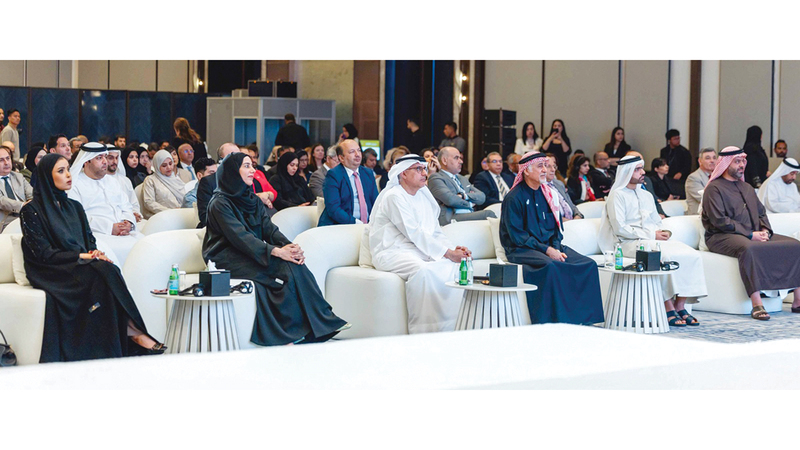
The recently issued federal decree-law represents a pivotal moment for التعليم العالي في الإمارات. Dr. Abdul Rahman Al-Awar, Minister of Human Resources and Emiratisation and Minister of Higher Education and Scientific Research, emphasized that the current pace of economic and labor market changes necessitates a faster rate of development and a move away from traditional thinking. The new law is designed to provide a flexible legislative framework that empowers universities to develop academic programs aligned with the demands of the global economy, particularly in fields like artificial intelligence, digital transformation, and future skills.
This isn’t simply about updating curricula; it’s about establishing a fundamentally more agile and integrated system. The law aims to enhance coordination between the Ministry of Higher Education and Scientific Research and local regulatory bodies, ensuring policy coherence and streamlined operations. This coordinated approach is critical for successfully navigating the complexities of the modern education sector.
مواءمة مخرجات التعليم مع احتياجات سوق العمل (Aligning Educational Outputs with Labor Market Needs)
A key focus of the new legislation is the effective alignment of educational outcomes with the requirements of the job market. Dr. Al-Awar highlighted the importance of a comprehensive and transparent data system that connects academic programs to vital sectors such as healthcare, artificial intelligence, engineering, and business. This system will provide insights into graduate employment rates by region, offering valuable data for informed decision-making.
This move from theoretical learning to practical application is a cornerstone of the reform. The law promotes partnerships between educational institutions and economic sectors, providing students with opportunities to gain hands-on experience in real-world work environments. Such experiences are vital for enhancing professional preparedness and improving the quality of الخريجين الجامعيين (university graduates). Strengthening vocational training is also key to this alignment – bridging the gap between skills taught and those demanded by employers.
دور المناطق الحرة في إثراء المنظومة (The Role of Free Zones in Enriching the System)
The presence of higher education institutions within free zones is strongly encouraged. These zones are seen as crucial for attracting talent and world-class educational institutions, further enriching the UAE’s higher education ecosystem. The UAE has successfully positioned itself as a hub for knowledge and expertise, supported by a growing and diverse job market. This success serves as a foundation upon which further growth and innovation in التعليم العالي (higher education) can be built. Furthermore, the law ensures licensing remains under the jurisdiction of local authorities, adding another layer of localized control while benefitting from the overall framework.
تسهيل الاستثمارات في التعليم العالي (Facilitating Investments in Higher Education)
The government’s commitment to enabling investors and simplifying their journey is also evident in the new law. Flexibility is offered in terms of choosing the most suitable locations for investments across different regions, alongside a supportive legislative environment designed to foster the success of educational ventures. This initiative is directly linked to enhancing جودة التعليم (education quality) and ensuring the UAE remains competitive on the global stage.
Dr. Al-Awar pointed to growth indicators, highlighting national gains of up to 12.5% in certain areas, alongside unprecedented global growth ranging from 11% to 24%. Simultaneously, demand for skilled labor has increased by 9%, underscoring the urgent need for the higher education system to keep pace with this rapid change.
معالجة المناطق الرمادية وتعزيز التنافسية (Addressing Grey Areas and Enhancing Competitiveness)
Ibrahim Fikri, Acting Assistant Undersecretary for Higher Education and Scientific Research Regulation and Governance, emphasized that the new law addresses existing “grey areas” within the system and promotes the competitiveness of universities through a unified and clearer legal framework. This framework is responsive to the accelerating transformations in the higher education sector. The law essentially provides a comprehensive regulatory umbrella, organizing and unifying the references for higher education across the entire country. This consolidation is intended to eliminate confusion and promote efficiency.
In conclusion, the new federal decree-law for التعليم العالي في الإمارات is a bold step toward creating a future-ready educational system. By prioritizing alignment with labor market needs, fostering innovation, simplifying investment processes, and clarifying regulatory frameworks, this law is poised to transform the landscape of higher education in the UAE. It represents a significant investment in the nation’s human capital and underscores its commitment to sustained economic growth and development. The ongoing dialogues and collaborative approach suggest a high degree of consensus and readiness to embrace these positive changes. Stay informed about updates and opportunities as this new era of higher education unfolds.


