


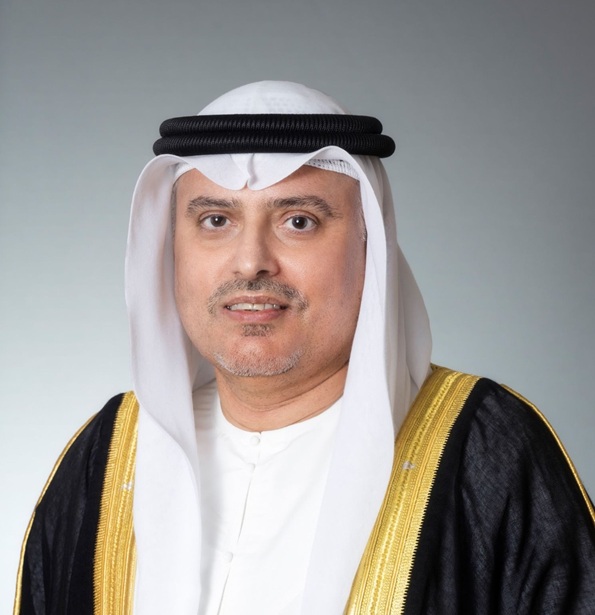
The United Arab Emirates is undergoing a significant transformation in its higher education landscape, driven by a new law designed to foster innovation, quality, and alignment with future market needs. This shift, as emphasized by Dr. Abdul Rahman Al-Awar, Minister of Human Resources and Emiratisation and Minister of Higher Education and Scientific Research, represents a move away from traditional regulatory oversight towards a collaborative partnership with higher education institutions. This article delves into the key aspects of this new legislation and its implications for the future of التعليم العالي في الإمارات (Higher Education in the UAE).
تحول جذري في منظومة التعليم العالي (A Radical Transformation in Higher Education)
Dr. Al-Awar highlighted that the new law isn’t simply about controlling or monitoring universities; it’s about establishing a proactive partnership to build and enhance the entire educational system. This represents a fundamental change in approach, recognizing universities as crucial contributors to educational quality and sustainability. The aim is to empower these institutions with greater autonomy and responsibility, aligning with the UAE’s national vision of improving the quality and competitiveness of its educational outputs.
This new approach acknowledges the dynamic nature of the 21st-century job market and the need for graduates equipped with the skills and knowledge to thrive in a rapidly evolving world. The focus is shifting from rote learning to fostering critical thinking, innovation, and practical application of knowledge.
مواءمة التشريعات مع متطلبات المستقبل (Aligning Legislation with Future Requirements)
The development of this new law wasn’t undertaken in isolation. It stemmed from a thorough review process and extensive consultations with stakeholders in the education sector. Dr. Al-Awar emphasized that the legislation is designed to be flexible and responsive to future changes and the accelerating demands of the labor market. This adaptability is vital for ensuring that students are well-prepared for the challenges and opportunities that lie ahead.
The law’s flexibility is particularly important in light of emerging technologies and the need for continuous upskilling and reskilling. تطوير المهارات (Skills Development) is a core tenet of the UAE’s strategy, and the new legislation aims to support this by enabling universities to quickly adapt their curricula and programs to meet evolving industry needs.
دور البيانات في تحسين جودة التعليم (The Role of Data in Improving Educational Quality)
A key component of the new law is its emphasis on integrating and sharing data across the educational ecosystem. This data-driven approach will empower students, improve the quality of planning, and facilitate informed decision-making. By leveraging accurate and reliable data, institutions can better understand student needs, track performance, and optimize their programs for maximum impact. This also supports better التخطيط الاستراتيجي للتعليم (Strategic Educational Planning) at a national level.
تحقيق التوازن بين الحوكمة والتمكين (Achieving a Balance Between Governance and Empowerment)
The new legislation strives to strike a delicate balance between robust governance and quality assurance on one hand, and empowerment, flexibility, and diversity on the other. This means providing universities with greater autonomy to innovate while maintaining clear standards and accountability. The goal is to create an environment where institutions can flourish and contribute to the overall advancement of the educational sector.
This balance is crucial for attracting top talent – both students and faculty – and for fostering a culture of excellence and innovation. Universities need the freedom to experiment and develop new approaches to teaching and learning, but they also need to be held accountable for delivering high-quality education.
التكامل المؤسسي كركيزة أساسية (Institutional Integration as a Fundamental Pillar)
The law promotes a principle of institutional integration, ensuring unified visions and coordinated efforts across the UAE. Dr. Al-Awar stressed that this integration is essential for the success of any modern educational system, enhancing collaboration and efficiency among relevant entities. This collaborative spirit will allow for a more holistic and effective approach to addressing the challenges and opportunities facing the sector.
This integration extends beyond universities to include government agencies, industry partners, and other stakeholders. By working together, these groups can ensure that the educational system is aligned with the needs of the economy and society.
نحو شراكة استراتيجية مستدامة (Towards a Sustainable Strategic Partnership)
The implementation of this new law requires clear legislative guidelines and ongoing engagement. Dr. Al-Awar emphasized the need for close collaboration between all stakeholders to achieve the ambitious goals set for the sector. This includes open dialogue, continuous feedback, and a willingness to adapt and refine the legislation as needed.
Ultimately, the success of this initiative hinges on a shared commitment to building a world-class التعليم العالي في الإمارات that nurtures talent, drives innovation, and contributes to the nation’s prosperity. The focus remains firmly on the student, ensuring they receive a high-quality education that prepares them for a successful future and contributes to the continued growth and development of the UAE. Continued discussion and constructive feedback are vital to ensure the law’s effectiveness and its ability to meet the evolving needs of the nation.