


The situation in Gaza’s healthcare system is rapidly deteriorating, prompting urgent warnings from medical officials. The ongoing restrictions on the entry of essential medical supplies and medications are pushing the already fragile system to the brink of collapse, threatening the lives of thousands of patients. This article will delve into the critical details of this crisis, as highlighted by Dr. Mohamed Abu Afesh, Director of Medical Relief in the Gaza Strip, on November 19, 2025, and explore the impact on vulnerable populations. The situation in الوضع الصحي في غزة (Gaza’s health situation) is reaching a critical point, requiring immediate international attention.
تدهور الوضع الصحي في غزة: تحذير عاجل (Deteriorating Health Situation in Gaza: Urgent Warning)
Dr. Abu Afesh’s statements to Sawt al-Falastin radio paint a bleak picture of a healthcare system crippled by the continuing blockade and restriction of access to vital resources. The primary concern lies in the lack of crucial medications, especially those needed for chronic diseases, children, and pregnant women. Furthermore, the severe shortage of blood transfusions, laboratory reagents, and spare parts for radiology equipment are exacerbating the already dire conditions. He emphasized that thousands of injured and sick individuals are awaiting permission to leave Gaza for necessary treatment, witnessing a dangerous decline in their health with each passing day.
النقص الحاد في الأدوية والمستلزمات الطبية (Acute Shortage of Medicines and Medical Supplies)
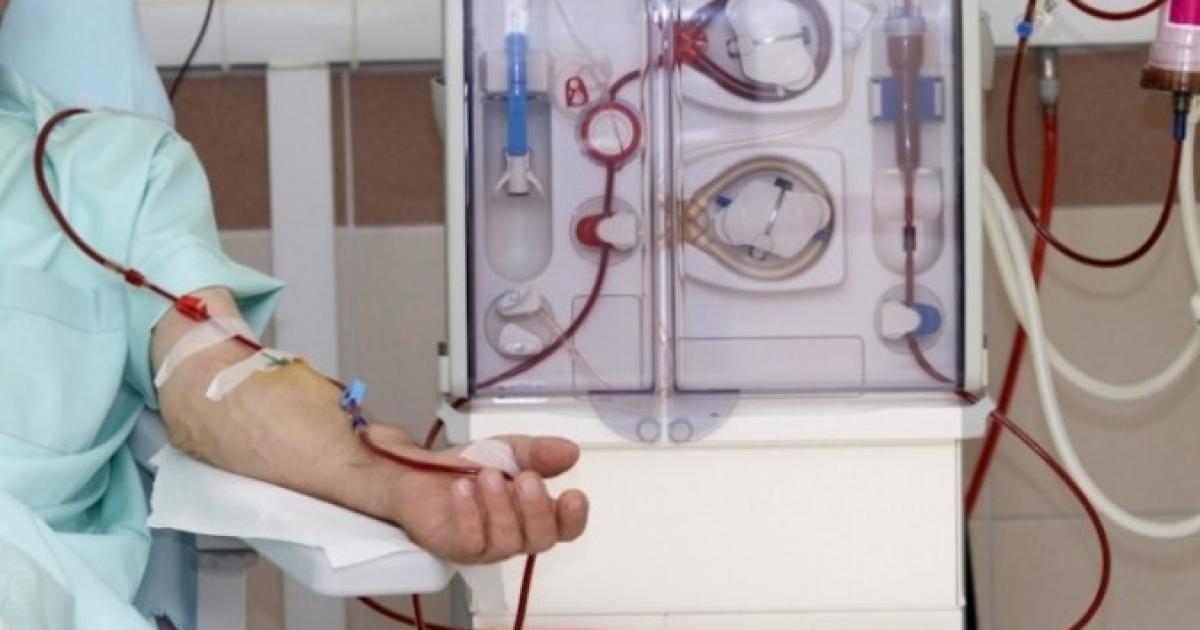
The impact of the restricted access is not merely a logistical inconvenience; it’s a matter of life and death. Dr. Abu Afesh revealed that 41% of kidney patients in Gaza have tragically died in recent months due to a lack of appropriate medical care and life-saving medications. This statistic underscores the devastating consequences of the blockade. He warned that if conditions persist, the remaining patients face a similar fate.
This isn’t just about a shortage of specific drugs; the entire supply chain is under immense strain. The inability to secure basic medical necessities is causing a ripple effect across all sectors of healthcare in Gaza. Moreover, the widespread lack of access to general healthcare contributes to the rise in preventable diseases. [الأزمة الصحية في غزة](The health crisis in Gaza) is a direct result of political obstacles to humanitarian aid.
تفاقم الأوضاع مع حلول الشتاء (Worsening Conditions with the Arrival of Winter)
The closing of border crossings isn’t simply halting the entry of medical supplies; it’s also impacting public health in other significant ways. The restrictions contribute to exhaustion and the spread of disease, particularly as winter approaches and rates of viral infections rise.
الزيادة في سوء التغذية وفقر الدم (Increase in Malnutrition and Anemia)
Alongside infectious diseases, malnutrition and anemia are becoming increasingly prevalent, especially among children and women. This is due to both the limited availability of nutritious food and the indirect consequences of a weakened healthcare system. These conditions weaken the immune system, making individuals even more vulnerable to illness.
Dr. Abu Afesh also highlighted the plight of patients with chronic conditions like diabetes, hypertension, and heart disease, who are facing a complete disruption of their medication regimens. Tens of thousands of individuals are at risk of severe health complications, and potentially death, due to this interruption.
الآثار الكارثية على صحة العيون (Catastrophic Effects on Eye Health)
The impact of the الوضع الصحي في غزة extends beyond commonly understood illnesses. Healthcare authorities in Gaza have recorded over 4,000 cases of severe eye problems. Tragically, some patients have already lost their vision due to deteriorating health conditions and the inability to access appropriate treatment. This is especially concerning for individuals with diabetes and other chronic diseases who are at a higher risk of vision impairment. This issue highlights the long-term impacts of the ongoing crisis and the importance of preventative care, which is now almost impossible to provide.
دعوة عاجلة لفتح المعابر وتوفير الإمدادات (Urgent Call to Open Crossings and Provide Supplies)
Dr. Abu Afesh unequivocally stated that the ongoing prevention of medical supplies and restriction of patient movement in the Gaza Strip “represents a direct threat to life.” He urgently called for the immediate opening of border crossings and the provision of necessary equipment and medications to save as many lives as possible. This isn’t a question of political maneuvering; it’s a humanitarian imperative.
The severity of the الوضع الصحي في غزة demands an immediate and comprehensive response from the international community. Failing to address this crisis will result in further loss of life and a lasting scar on the collective conscience. The need for [المساعدات الطبية لغزة](Medical aid to Gaza) is not a request, but a desperate plea for survival. Continued inaction will only deepen the suffering of the people of Gaza, and contribute to a full-scale humanitarian catastrophe. It is imperative to prioritize the health and well-being of the population and ensure access to essential healthcare services without delay.