


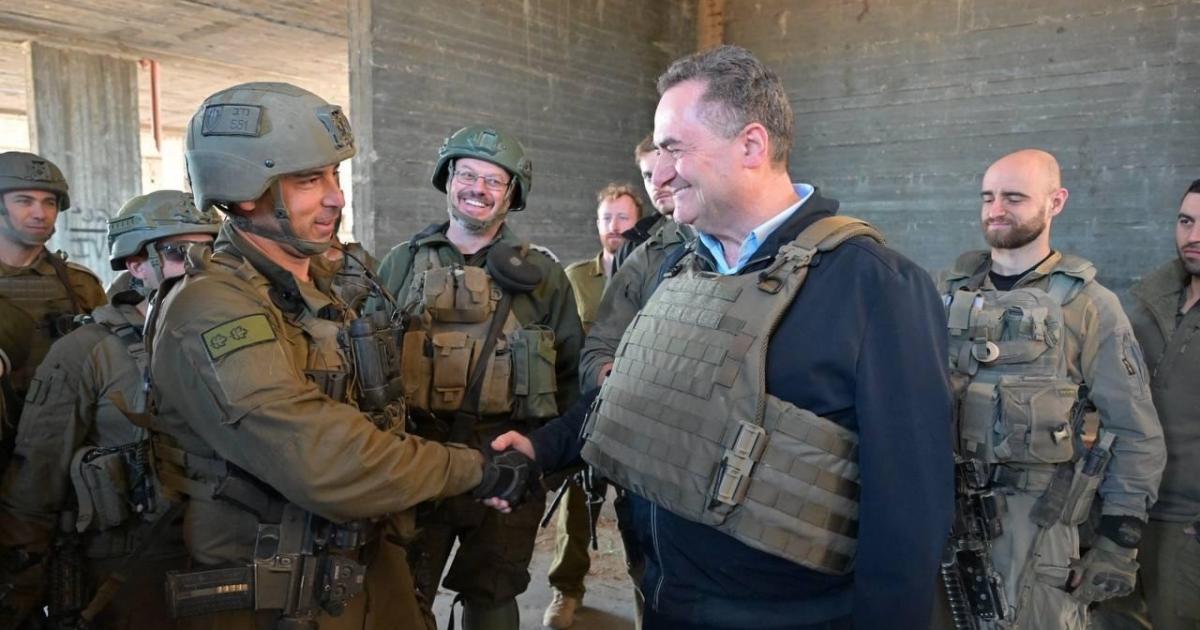
The recent approval of military appointments by Israeli Defense Minister Yoav Gallant, with a notable exception, underscores ongoing tensions within the Israeli security establishment. This situation, stemming from investigations into the failures of October 7th and disagreements over personnel decisions, is casting a shadow over efforts to rebuild confidence and preparedness. The core of the dispute revolves around accountability for the events surrounding the Hamas attack and the future direction of the Israeli Defense Forces (IDF).
تعيينات عسكرية مثيرة للجدل: نظرة على خلافات كاتس وزامير
(Controversial Military Appointments: A Look at the Disputes Between Katz and Zamir)
The approval of a batch of military appointments flagged by the IDF over the weekend, with the exception of one senior officer accused of calling for refusal of military service, represents a carefully measured response from Defense Minister Yisrael Katz. This action, announced Monday, followed a meeting with IDF Chief of Staff, Halevi, at the Defense Ministry in Tel Aviv. The atmosphere surrounding the decision is fraught with tension as investigations continue into the events of October 7th, 2023, and the broader process of reshuffling leadership within the military. The case of Colonel (res.) Gilad Gelberman, whom Katz refused to approve, highlights the sensitivity of publicly questioning military orders.
خلفية الأزمة: تحقيقات السابع من أكتوبر والقيادة العسكرية
(Background of the Crisis: October 7th Investigations and Military Leadership)
The underlying cause of this disagreement is the investigation into the failings that allowed the Hamas attack to succeed. Numerous questions have been raised regarding intelligence failures, response times, and command and control breakdowns. Katz has repeatedly insisted on a thorough investigation and delayed approval of appointments to ensure full accountability. He requested a 30-day postponement to allow for a comprehensive review by the security agencies’ oversight committee, but Halevi reportedly proceeded with the appointment session without prior coordination. This lack of coordination significantly deepened the existing rift between the two men.
لجنة ترجمان وانتقادات الأداء السابق
(The Triman Committee and Criticisms of Previous Performance)
One focal point is the report issued by Major General Sami Triman’s committee examining the IDF’s preparedness. Katz reportedly expressed concerns with the committee’s findings and the speed with which Halevi sought to implement personnel changes based on them. Additionally, Halevi has publicly criticized the performance of previous leadership, hinting at systemic issues that contributed to the October 7th vulnerabilities. The frustration is palpable as both sides attempt to navigate blame and implement necessary changes.
تباين وجهات النظر حول صلاحيات التدقيق والتحقيق
(Differing Views on Audit and Investigation Powers)
The dispute isn’t solely about individual appointments or the Triman committee’s report, it extends to fundamental disagreements about the balance of power between the political and military echelons. Katz seemingly wants to maintain tighter control over the appointment process and ensure complete transparency during the investigations. Halevi, on the other hand, has argued that the military itself has taken responsibility and initiated internal investigations, stating it is not solely the army’s role to investigate itself. He proposed establishing a formal committee to explore the relationship between the military and political spheres, a suggestion viewed with skepticism by some within the ministry.
تقييمات إسرائيلية: هل هي مجرد خطوات تجميلية؟
(Israeli Assessments: Are These Just Cosmetic Steps?)
Israeli media reports suggest a degree of skepticism regarding the official statements released by the Defense Ministry. Despite the apparent approval of some appointments, many analysts believe the core disagreements remain unresolved. Key positions, such as the leadership of the Air Force, Navy, and the IDF’s representative in Washington, remain vacant and subject to ongoing debate. Some sources describe the move as a “fabricated step” intended to create a false impression of progress, pointing to the seemingly arbitrary freezing of appointments for thirty colonels as lacking any objective justification.
تأثير الأزمات السياسية على الجاهزية العسكرية
(The Impact of Political Crises on Military Readiness)
Adding another layer of complexity, Halevi has alluded to the detrimental impact of internal political crises, specifically the controversial judicial overhaul plan, on Israel’s deterrence and military readiness. This statement has been interpreted as a veiled criticism of the government’s priorities and a warning that domestic political turmoil can have serious consequences for national security. The ongoing debate surrounding judicial reform has undoubtedly created a climate of uncertainty and division within Israeli society, potentially affecting the morale and effectiveness of the armed forces. The IDF is facing unprecedented scrutiny.
مستقبل التعيينات العسكرية والتحقيقات
(The Future of Military Appointments and Investigations)
While the Defense Ministry statement indicates that the remaining investigations and appointments will be “resolved in the coming days,” no clear timeline or decision-making mechanism has been provided. The situation remains fluid and unpredictable. The military appointments are crucial for restoring confidence. The need for a stable and effective leadership structure within the IDF is paramount, especially given the ongoing regional threats. The security situation demands swift and decisive action. Ultimately, resolving this dispute requires a genuine commitment to transparency, accountability, and a shared understanding of the challenges facing Israel. The coming days will be critical in determining whether a lasting solution can be found, or if the tensions will continue to escalate, further undermining the country’s security preparedness.