


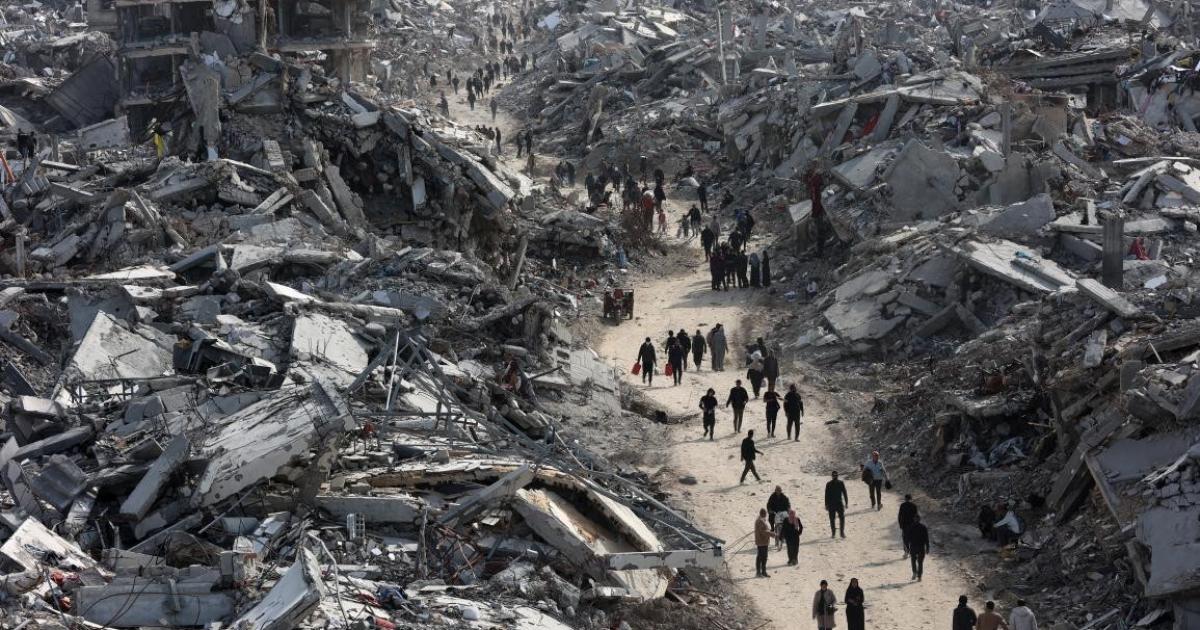
The situation in Gaza continues to be a focal point of international concern, and recent developments have impacted planned efforts for its recovery. Disclosed by a well-informed Egyptian source to Al-Sharq Al-Awsat newspaper, the highly anticipated Cairo Conference for Early Recovery and Reconstruction of the Gaza Strip, initially scheduled for late November, has been postponed. This decision stems directly from the current escalation of violence in the region and Egypt’s commitment to fostering a more conducive environment for achieving the conference’s ambitious goals. The conference, intended to galvanize international support, is now subject to a revised timeline, contingent on improved conditions on the ground.
تأجيل مؤتمر القاهرة لإعادة إعمار غزة: الأسباب والتداعيات (Postponement of the Cairo Conference for Gaza Reconstruction: Reasons and Implications)
The postponement isn’t a cancellation, but a strategic recalibration. According to the Egyptian source, a significant contributing factor is the United States’ perceived intention to launch its own independent initiative focused on Rafah, a vital crossing point for aid and potentially, future reconstruction efforts. “The conference will not be held on the specified date at the end of the month; I believe it will be delayed slightly, especially since a parallel effort is currently underway,” the source stated, referencing the US plans. This suggests a desire to avoid duplication of efforts and potentially coordinate international responses more effectively.
Egypt recognizes the immense task ahead and emphasizes its capability to lead this process. However, the source underscored the importance of timing, stating, “Egypt is a large country capable of accomplishing these tasks, but it is preparing the appropriate timing, to ensure a real positive return on the reality of our Palestinian brothers.” This highlights a pragmatic approach, prioritizing tangible results over simply holding a conference under unfavorable circumstances.
الضمانات الدولية وتحديات إعادة الإعمار (International Guarantees and Reconstruction Challenges)
A key obstacle to moving forward with the conference, and indeed with any large-scale reconstruction project, is the lack of assurances against further destruction. Many nations are understandably hesitant to commit substantial financial resources without guarantees that their investments won’t be rendered obsolete by renewed conflict. The source explicitly stated, “Many countries are demanding guarantees against the recurrence of destruction in Gaza, and these guarantees have not been provided yet, nor will they be provided in the current circumstances in light of the continued Israeli escalation and repeated violations.” This demand for stability is a critical, yet challenging, prerequisite for successful reconstruction.
The need for a comprehensive plan for the reconstruction of Gaza was also highlighted at the Sharm El-Sheikh Summit for Peace held in October. President Abdel Fattah El-Sisi emphasized the importance of the Cairo Conference during a meeting with several world leaders. This initial commitment, however, has been tempered by the evolving realities on the ground.
التحضيرات السابقة والجهود الدبلوماسية (Previous Preparations and Diplomatic Efforts)
Prior to the recent escalation, Egypt had been actively preparing for the conference. A statement from the Egyptian Ministry of Foreign Affairs in October detailed a phone call between Foreign Minister Sameh Shoukry and Palestinian Prime Minister Mohammad Shtayyeh, focusing on the preparations for the Gaza reconstruction conference, particularly regarding funding commitments and assessing the extent of the damage. Estimates at that time were already substantial, requiring significant international cooperation.
President El-Sisi reiterated Egypt’s commitment to hosting the conference on November 5th, during a reception for the President of Kyrgyzstan. In the weeks following this announcement, discussions surrounding the conference dominated presidential meetings and conversations between Foreign Minister Shoukry and representatives from various countries, including the United Kingdom, Turkey, France, Saudi Arabia, Iraq, and Qatar. These diplomatic efforts demonstrate Egypt’s proactive role in seeking international consensus and support.
دعوات للمشاركة وتكلفة إعادة الإعمار (Calls for Participation and the Cost of Reconstruction)
Even as the situation deteriorated, Egypt continued to advocate for international involvement. Prime Minister Mostafa Madbouly, speaking at the G20 summit, issued a direct invitation to nations to participate in the conference, stating, “Egypt will host a global conference dedicated to the early recovery and reconstruction of Gaza, and I invite your country to participate in this conference.” However, the lack of a firm date underscores the uncertainty surrounding the event.
The scale of the challenge is immense. The Arab Emergency Summit held in Cairo in March outlined a comprehensive plan for the recovery and development of the Gaza Strip, estimating a total cost of $53 billion over a five-year period. This plan focuses on early recovery, reconstruction, and ensuring the Palestinians are not displaced. Egypt’s call for a dedicated international conference reflects the understanding that such a massive undertaking requires a coordinated and well-funded global response.
مستقبل المؤتمر في ظل التصعيد المستمر (The Future of the Conference Amidst Ongoing Escalation)
As of Tuesday, Egypt had not issued a formal confirmation regarding the postponement or a new date for the conference. However, the escalating violence in Gaza, particularly since November 19th, with reports of at least 21 fatalities from Israeli strikes, makes it increasingly unlikely that the conference will proceed as originally planned. Israel has accused Hamas of violating the ceasefire agreement that came into effect on October 10th.
The postponement of the Cairo Conference is a pragmatic response to a volatile situation. While Egypt remains deeply committed to the recovery and reconstruction of Gaza, it recognizes that lasting progress requires a stable environment and concrete guarantees against future destruction. The coming weeks will be crucial in determining whether a renewed ceasefire can be established and whether the conditions will be ripe for Egypt to reschedule this vital conference and finally begin the long and arduous path toward rebuilding the lives of the Palestinian people.