


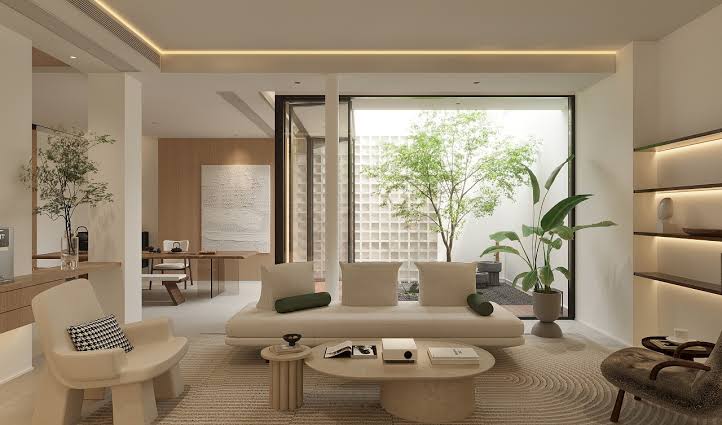
A homeowner planning a new villa renovation or apartment fit-out in Dubai may think of sustainability mainly in terms of energy-efficient appliances or recycling. In practice, decisions about materials, lighting, water use, glazing, finishes and indoor comfort can all contribute to a more considered approach to residential design.
For homeowners working with Dubai home interior design professionals, understanding the principles behind Al Sa’fat can provide a useful framework when making these decisions. Dubai Municipality’s Al Sa’fat system sets requirements and additional performance criteria for green buildings, with sustainability covering areas including energy, water, materials, waste and occupant wellbeing.
What Is Al Sa’fat?
Al Sa’fat is Dubai’s green building rating system, administered by Dubai Municipality. The system replaced the earlier Dubai Green Building Regulations and Specifications as the applicable framework from October 2020. The current system includes mandatory requirements for new buildings, with additional requirements for higher rating categories.
Although many of the requirements concern the building as a whole, interior design decisions can contribute to the overall environmental performance of a property. This makes early coordination between the interior designer, architect, contractor and relevant technical specialists important.
For homeowners, the practical lesson is that sustainability should not be treated as a decorative layer added towards the end of a project. It is more effective when considered alongside the layout, lighting, material specification and building systems from the beginning.
Choose Materials With Performance in Mind
Material selection is one of the most visible areas where sustainable principles can influence an interior. Flooring, cabinetry, wall finishes, worktops, furniture and textiles can all be reviewed according to their durability, maintenance requirements and environmental characteristics.
Dubai Municipality provides guidance on green building materials and products and advises end users to ensure that relevant materials and testing facilities meet applicable certification or accreditation requirements.
For a residential project, this does not mean that every finish needs to look overtly natural or rustic. Stone, timber, metal, glass and engineered materials can all form part of a contemporary interior when they are specified appropriately.
Durability is particularly important. A finish that needs frequent replacement or extensive maintenance may be less suitable than a material that can withstand everyday use for many years.
Consider Lighting From the Beginning
Lighting has both an aesthetic and practical role in a sustainable interior. A carefully planned scheme can combine daylight with efficient artificial lighting rather than relying on a large number of decorative fixtures throughout the property.
Natural light should first be considered in relation to the floor plan. Furniture, partitions and joinery should not unnecessarily block useful daylight. Where large areas of glazing are present, window treatments can also help control glare and excessive solar exposure.
Artificial lighting can then be divided into layers. General lighting provides overall illumination, while task and accent lighting can be concentrated where it is actually needed. Dimmers, sensors and suitable controls can provide additional flexibility depending on the room and its use.
Manage Dubai’s Sun and Heat
Dubai’s climate makes solar exposure an important consideration when planning residential interiors. Strong sunlight can affect fabrics, timber, artwork and flooring, while excessive heat gain can place additional demands on cooling systems.
Window treatments can therefore serve a practical function as well as a decorative one. Sheer curtains, lined curtains, blinds and automated shading can be selected according to the orientation of each room and the amount of direct sunlight received.
Glazing performance is also relevant at the building level. Dubai Municipality’s certified green building products include glazing products assessed under Al Sa’fat requirements, illustrating the connection between material specification and environmental performance.
Reduce Water Use Through Interior Choices
Water efficiency is another important part of Dubai’s sustainability framework. Dubai Municipality identifies water efficiency alongside energy and materials as part of its green building approach.
In a residential interior, water-related decisions can include bathroom fittings, kitchen fixtures and appliances. Efficient taps, showers and sanitary fittings can reduce unnecessary consumption without compromising the functionality expected from a contemporary home.
The layout of wet areas can also influence how efficiently plumbing systems are organised. During a renovation, changes to bathroom or kitchen locations should therefore be considered carefully rather than purely from an aesthetic perspective.
Plan Joinery to Reduce Waste
Bespoke joinery can be an important part of a Dubai residence, particularly in kitchens, dressing rooms, media rooms and home offices. However, custom work should be planned carefully to avoid unnecessary material use and future replacement.
Accurate measurements and detailed drawings can reduce errors during fabrication. Modular internal components can also provide flexibility if storage requirements change later.
Material efficiency should be considered alongside appearance. A restrained joinery scheme using durable finishes can often provide a longer service life than an elaborate installation that relies heavily on fragile or difficult-to-maintain details.
Think About Indoor Comfort
Sustainable design is not only concerned with energy and materials. The quality of the internal environment also matters.
Acoustic comfort, lighting quality, thermal conditions and material selection all affect how a home feels during everyday use. Dubai Municipality’s green building framework includes occupant health, safety and general welfare among its broader objectives.
Interior designers can support this through appropriate furniture placement, acoustic treatments, window coverings, lighting controls and the selection of suitable finishes. Soft furnishings, rugs and upholstered furniture can also help manage sound in rooms containing extensive stone, glass or other hard surfaces.
Consider Sustainability When Renovating Existing Homes
Sustainable interior design is not limited to new properties. Existing villas and apartments can also be improved through carefully selected upgrades.
Dubai Municipality provides separate guidance for retrofitting existing buildings to become greener and more sustainable. For homeowners undertaking renovations, this can encourage a broader review of the property rather than focusing only on cosmetic changes.
Replacing inefficient lighting, improving shading, selecting durable finishes and reviewing water fixtures can all form part of a wider renovation strategy. Where existing materials remain structurally sound and suitable for reuse, retaining them can also avoid unnecessary removal and replacement.
Avoid Treating Sustainability as a Style
One common misconception is that sustainable interiors need to follow a particular visual aesthetic. In reality, sustainability is more closely connected to how a home performs and how long its materials and systems remain useful.
A contemporary Dubai villa can use stone, timber, glass, metal and upholstered furniture while still incorporating sustainability principles. Similarly, a more traditional interior can use efficient lighting, responsible material selection and considered water fixtures.
The focus should be on making informed decisions rather than adding a collection of products simply because they are marketed as sustainable.
Coordinate Design Decisions Before Installation
Many sustainability-related decisions become difficult or expensive to change once construction is underway. Lighting points, electrical provisions, window treatments, plumbing fixtures, joinery and material specifications should therefore be reviewed during the design stage.
This is particularly relevant to new-build properties, where homeowners may have opportunities to coordinate certain finishes or provisions before handover. Early planning can help ensure that aesthetic decisions do not conflict with technical requirements.
Dubai Municipality’s Al Sa’fat system is ultimately concerned with building performance rather than interior style. For homeowners, the most useful approach is therefore to understand which decisions sit within the building’s technical requirements and then consider how the interior can support them.
Build Sustainability Into the Everyday Home
Sustainable interior design in Dubai does not require compromising on comfort, quality or visual character. It requires greater consideration of how a property uses energy and water, how materials perform in the local climate, how long finishes are likely to last and how occupants interact with the space.
For a new home or renovation, the practical starting point is to review sustainability alongside the floor plan, lighting, materials, joinery and building systems rather than as a separate stage. This allows environmental considerations to become part of the design process while keeping the finished interior appropriate to the architecture, climate and everyday needs of the homeowner.