


The situation in Palestine is incredibly sensitive and dynamic. This article aims to provide an informative overview based on the provided news snippets.
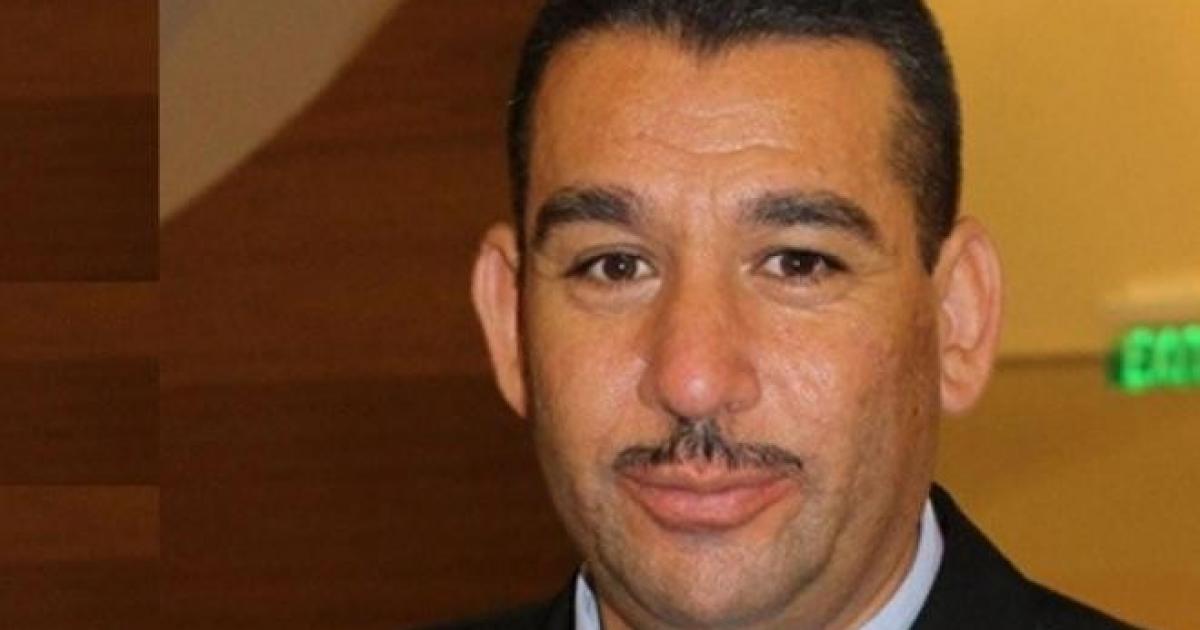
The educational landscape in Palestine continues to navigate immense challenges, particularly in the Gaza Strip and the West Bank. Recent developments, as reported by صادق الخضور, the spokesperson for the Ministry of Education, highlight both progress and significant obstacles facing students and educators. This article will delve into the الوضع التعليمي في غزة والضفة الغربية (The educational situation in Gaza and the West Bank), detailing efforts to resume in-person learning in Gaza, the arrangements for Tawjihi (high school final exams), and the ongoing disruptions to education in the West Bank due to occupation-related issues.
استئناف التعليم الوجاهي في غزة (Resuming In-Person Education in Gaza)
Despite the ongoing conflict, the Ministry of Education is committed to expanding in-person learning opportunities for students in the Gaza Strip. صادق الخضور announced on Wednesday, January 28, 2026, that this remains a key priority, with direct oversight from the Minister himself via the government’s operations room and in coordination with relevant departments. A core component of this effort is the establishment of temporary schools to accommodate students whose regular schools have been damaged or rendered unusable.
The arrival of educational supplies into Gaza, for the first time since the beginning of the conflict, is a particularly positive development. الخضور praised the role of international partners in facilitating this crucial delivery, emphasizing its significance in supporting the continuation of education. Currently, the Ministry is working to balance in-person and virtual learning, ensuring that online schools continue to provide educational services and psychological support to students. Recognizing the need for both modalities, this blended approach aims to maximize access to education for all students in Gaza. This demonstrates a strong commitment to التعليم في غزة (Education in Gaza) despite significant adversity.
تفاصيل امتحانات الثانوية العامة في غزة (Details Regarding Tawjihi Exams in Gaza)
With the aim of minimizing further disruption to the academic year, preparations for the Tawjihi exams are underway. الخضور outlined the key details for the upcoming exams:
موعد وآلية الامتحانات (Exam Date and Mechanism)
The third session of the Tawjihi exams in Gaza is scheduled to begin on Wednesday, February 4th. Like the previous two sessions, the exams will be conducted electronically. The Ministry has announced a preliminary schedule for February 4th but acknowledges the possibility of a slight delay (a few days) should any technical issues arise.
تحديات فنية محتملة (Potential Technical Challenges)
Acknowledging the fragility of infrastructure in Gaza, the ministry is proactively preparing for potential technical difficulties. Contingency plans are being developed to mitigate disruptions and ensure fairness for all students taking the exams. Addressing these challenges is critical to safeguarding the integrity of امتحانات التوجيهي (Tawjihi exams).
انتهاكات الاحتلال وتأثيرها على التعليم في الضفة الغربية (Occupation Violations and Their Impact on Education in the West Bank)
The situation in the West Bank and occupied Jerusalem presents a distinctly different, yet equally challenging, set of obstacles to education. الخضور sharply criticized the systematic obstruction of education by the occupation forces. Frequent raids and ongoing aggression are directly impacting students’ ability to attend school regularly.
Several areas, including al-Dhahiriya, Hizma, Burin, and ‘Aqaba, have experienced school closures due to these incursions. This constant interruption of learning has a detrimental effect on students’ academic progress and overall well-being.
تهديد بتدمير معهد تدريبي في قلنديا (Threat of Demolishing a Training Institute in Qalandiya)
The threat to demolish the UNRWA training institute in Qalandiya is particularly concerning. الخضور warned that such actions constitute a direct attack on the entire educational system in Palestine. The demolition would deprive countless students of essential vocational training opportunities and further exacerbate the existing educational crisis. UNRWA plays a vital role in providing التعليم المهني (Vocational Education) and its facilities must be protected.
He appealed to international organizations – notably UNICEF, UNESCO, and the International Committee of the Red Cross – to fulfill their responsibilities in protecting the right of Palestinian students to education.
قرارات لمواجهة الأزمة في الضفة الغربية (Decisions to Address the Crisis in the West Bank)
Responding to the concerns of Tawjihi students in the West Bank, the Ministry of Education has issued a directive ensuring regular attendance for these students five days a week. This decision reflects a commitment to prioritize the needs of students preparing for their crucial final exams.
To handle the inevitable disruptions caused by forced closures, the Ministry has granted educational directorates the authority to assess the situation and make appropriate arrangements. Instead of immediately switching to online learning, directorates are encouraged to utilize “task days” to make up for lost instructional time, thus preserving the quality of face-to-face education whenever possible. This approach showcases a proactive effort to maintain جودة التعليم (Education quality) amidst ongoing instability.
In conclusion, the الوضع التعليمي في غزة والضفة الغربية presents a complex and evolving challenge. While strides are being made to resume in-person learning in Gaza and support Tawjihi students, the situation in the West Bank remains deeply precarious due to ongoing occupation-related disruptions. International advocacy and support are critical to ensuring that all Palestinian students have access to a safe and quality education. Readers are encouraged to share this information and support organizations working to promote educational opportunities in Palestine.