


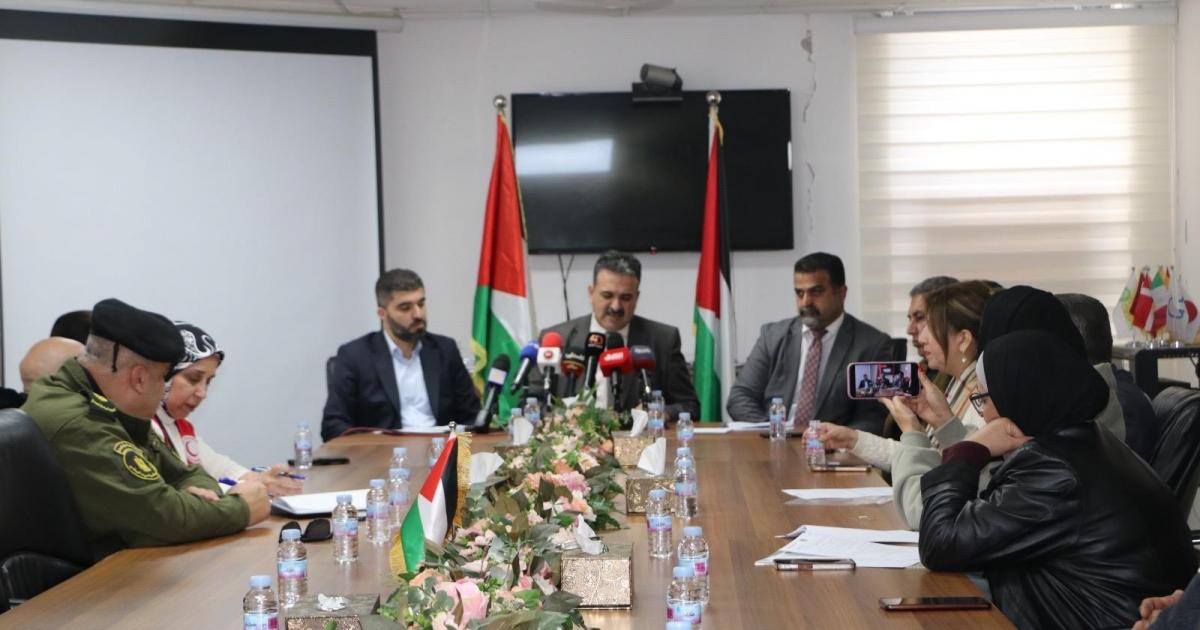
The Palestinian Ministry of Agriculture has revealed a deeply concerning situation regarding the deliberate destruction of agricultural lands and resources by Israeli forces and settlers. The information, released on Monday, details the scale of damage inflicted during the past year, 2025, highlighting a worrying escalation in systematic violations against the Palestinian agricultural sector. This isn’t simply about damaged crops; it’s a direct assault on Palestinian livelihood, food security, and their right to remain connected to their land. The core of the issue lies in the extensive damage inflicted upon olive trees, alongside broader attacks on water resources and infrastructure.
Devastating Losses: The Economic Impact of Agricultural Damage
The report indicates that the direct economic losses to the agricultural sector in the West Bank exceeded $103 million USD during 2025. However, these figures represent only the immediate financial impact. The destruction ripples through the entire agricultural supply chain, diminishing rural incomes, increasing the cost of food, exacerbating poverty and unemployment, and fundamentally undermining the resilience of Palestinian farmers and rural communities. This disruption has a cascading effect, impacting the long-term stability of the region. The long-term consequences extend far beyond the monetary value – it threatens the very fabric of Palestinian rural life.
A Systematic Campaign: Methods of Destruction
The Ministry of Agriculture emphatically states that the incidents of 2025 were not isolated events, but rather part of a calculated and systematic policy. This policy aims at controlling land and water resources, ultimately displacing Palestinian communities. The methods employed include direct attacks on farmland, land leveling, uprooting of trees, deliberate burning of crops, and the denial of access to agricultural lands – all carried out under the protection of the Israeli military and with active participation from settler groups. The deliberate nature of these actions is a key element of the ministry’s assessment.
Data Collection & Verification of Damage
The comprehensive nature of the report stems from a rigorous data collection process. Information was gathered from direct reports submitted by affected farmers, coupled with on-the-ground investigations conducted by the Ministry’s technical teams. These teams, stationed across 54 directorates, departments, and agricultural offices throughout the West Bank, documented the damages through standardized assessment forms. The data was further substantiated with official documents, photographic evidence, video recordings, and precise geographical coordinates of the affected areas, ensuring a high degree of accuracy and verification. This detailed methodology reinforces the credibility of the findings.
The Scale of Destruction: A Detailed Breakdown
The attacks weren’t limited to any single aspect of Palestinian agriculture. Infrastructure, livestock, and essential water resources all suffered significant damage.
Water Resources Under Threat
The report highlights deliberate attacks on agricultural water sources, including the demolition of wells and water collection ponds, sabotage of irrigation networks, and control over natural springs. Farmers were also actively prevented from carrying out necessary maintenance work. The direct losses related to water damage exceeded $1.58 million USD, severely jeopardizing irrigation and crop production.
Damage to Infrastructure and Equipment
Agricultural infrastructure, including farm-to-market roads, plastic greenhouses, agricultural machinery, and equipment, sustained damage valued at $2.57 million USD. This damage significantly hindered farmers’ access to their lands, impeded production workflows, and disrupted marketing and distribution channels.
The Plight of the Olive Harvest
The olive trees were, unfortunately, the primary target. A staggering 91,933 olive trees were damaged through uprooting, destruction, arson, deliberate grazing by livestock, and obstructed access for harvesting. The provinces most impacted include Hebron, Ramallah and Al-Bireh, Nablus, Jenin, and Salfit. Crucially, many of these trees were centuries old, representing a devastating loss of agricultural heritage and cultural identity.
Targeting Livelihoods: Impact on Diverse Agricultural Sectors
Beyond olive trees, other vital sectors also experienced significant harm. The livestock sector was severely impacted by the theft of 5,236 sheep from areas in Jericho, Nablus, Ramallah and Al-Bireh, and Hebron, with a value of $1.77 million USD, impacting hundreds of pastoral families. Also, beekeeping suffered, with beehives destroyed and equipment stolen, particularly in Ramallah and Al-Bireh, resulting in losses of nearly $154,000 USD and affecting natural pollination of crops. The report emphasizes that these attacks actively dismantle Palestinian farmers’ ability to sustain themselves.
International Law and the Call for Accountability
The Ministry of Agriculture unequivocally condemns these actions as a deliberate and organized crime against the agricultural sector. Furthermore, it asserts that these violations constitute serious breaches of international humanitarian law, specifically the Geneva Conventions, which prohibit targeting civilian resources, livelihoods, and essential infrastructure under occupation. The deliberate destruction of olive trees is a violation of international norms.
The ministry is urgently appealing to the international community, the United Nations, and its specialized agencies, as well as the High Contracting Parties to these conventions, to fulfill their legal and moral obligations. This includes offering effective protection to Palestinian farmers, safeguarding agricultural lands, water sources, and grazing areas, halting the systematic attacks perpetrated by the occupation forces and settlers, ensuring accountability for perpetrators and ending impunity, and providing support for assistance and rehabilitation programs, prioritizing the sectors of olives, livestock, and water. The future of Palestinian agriculture, and the livelihoods dependent on it, demands immediate international action.