



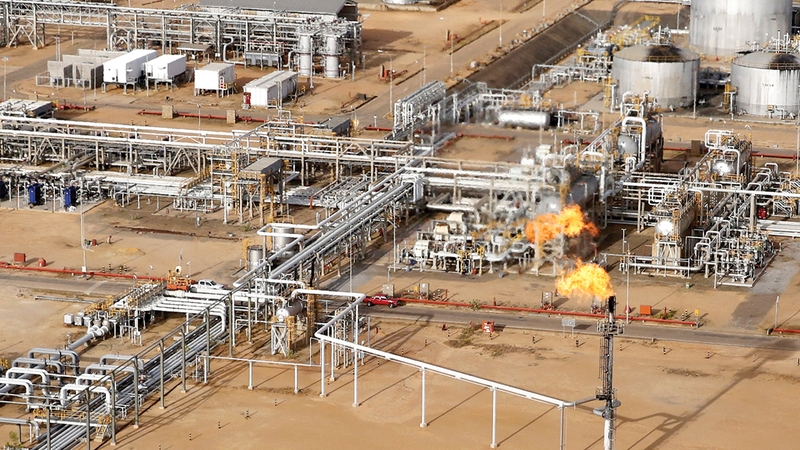
The potential for a significant rebound in Venezuela’s crude oil production remains a distant prospect, despite promises of substantial investment from major US oil companies should the political landscape shift. For years, the country, possessing what are estimated to be the world’s largest proven oil reserves, has seen its output dwindle due to mismanagement, insufficient foreign investment, and the fallout from nationalization policies implemented in the early 2000s, impacting companies like ExxonMobil and ConocoPhillips. The path to recovery is fraught with challenges, and a quick turnaround seems increasingly improbable.
تحديات عودة الاستثمار الأجنبي في قطاع النفط الفنزويلي
Any company contemplating investment in Venezuela faces a complex web of issues that extend far beyond simply accessing resources. Security concerns are paramount, as is the dilapidated state of the country’s oil infrastructure. Moreover, the legitimacy of any US-led efforts to facilitate a political transition, particularly concerning the removal of President Maduro, is constantly questioned. This uncertainty creates a breeding ground for long-term political instability, a risk few investors are willing to embrace, especially considering the potential for ongoing resistance.
Mark Christian, Business Development Director at ClipperData, succinctly summarizes the situation: “US companies won’t return until they are confident they’ll get their money back, and until they have at least a minimal level of security.” He points out that the lifting of sanctions is a prerequisite, alongside legal reforms allowing for greater foreign investment. The history of nationalization hangs heavy, creating a reluctance to expose assets to potential future confiscation.
تاريخ التدخلات في قطاع النفط وأثرها على الإنتاج
Venezuela’s history with the oil sector is marked by periods of state control. The original nationalization wave took place in the 1970s. However, the more recent shift, beginning in the early 21st century with the forceful transition to joint ventures controlled by the state-owned oil company, Petróleos de Venezuela (PDVSA), proved particularly disruptive.
While some companies, like Chevron, negotiated exits and transitioned their operations, others were left with no option but to pursue international arbitration to recover assets and compensation. This past significantly impacts current investment considerations, creating mistrust and requiring robust legal protections before companies will commit capital. A potential إنتاج النفط increase relies on resolving these legacies.
سيناريوهات مستقبلية لإنتاج النفط الفنزويلي
Experts believe the extent of any future production increase hinges entirely on the success of a political transition. Thomas O’Donnell, a strategic energy and geopolitical expert, suggests that a smooth transition, devoid of significant resistance, could lead to a substantial rebound in oil production within five to seven years, fueled by infrastructure repair and new investment.
However, O’Donnell cautions that a failed political transition, particularly one perceived as driven by US hegemony, could incite years of armed resistance from citizens and guerilla groups alike, effectively stalling any potential recovery. This alternative scenario paints a grim picture, highlighting the delicate balance between political change and maintaining operational security. The potential influx of الاستثمار في الطاقة is directly tied to the stability of the nation.
الدور المحتمل لشركات النفط الأمريكية
Francisco Monaldi, Director of the Latin America Energy Program at Rice University’s Baker Institute, believes Chevron is uniquely positioned to benefit from any opening of the Venezuelan oil sector. This is due to their prior agreements and continued, albeit limited, presence in the country.
However, other US oil companies are expected to adopt a more cautious approach. They will meticulously assess the political stability and the development of a favorable operational environment and contractual framework before making any commitments. ConocoPhillips, for instance, holds claims exceeding $10 billion and has little incentive to return without a clear pathway to recovery of those funds.
A spokesperson for ConocoPhillips affirmed their monitoring of the situation, stating that it is “premature to speculate on any future commercial activities or investments.” The focus remains on observing the ongoing developments and their implications for global energy supply and stability.
تأثير محدود على أسعار النفط العالمية على المدى القصير
Despite the potential for significant change, some analysts believe the immediate impact on US oil and gasoline prices will be minimal. Currently, a significant portion of Venezuela’s oil production is directed towards Cuba and China.
Ed Hirs, an energy specialist at the University of Houston, highlights the historical pattern of US interventions in oil-rich nations – interventions that haven’t consistently translated into tangible benefits for US companies. He draws parallels to the cases of Iraq and Libya, emphasizing that securing access to oil resources is rarely a guaranteed outcome.
Hirs adds: “Trump is now joining a line of US presidents who have overthrown regimes in oil-rich countries. In those cases, the United States did not get any benefit from the oil, and I fear history will repeat itself in Venezuela.” The situation is further complicated by the existing العقوبات الأمريكية on the country.
الخلاصة: طريق طويل أمام استعادة إنتاج النفط الفنزويلي
Reviving Venezuela’s oil industry is a complex undertaking with significant political and logistical hurdles. While the potential rewards are substantial, the risks are equally high. A successful transition, coupled with substantial foreign investment and legal reforms, is crucial for realizing any significant increase in إنتاج النفط الخام.
However, the shadow of past nationalizations, ongoing security concerns, and the potential for prolonged instability suggest that the path to recovery will be long and arduous. The fate of Venezuela’s oil future remains inextricably linked to its political landscape, and a cautious approach is warranted by all stakeholders.
For further insights into the global oil market and the geopolitical dynamics affecting energy production, consider exploring resources from the International Energy Agency (IEA) or the US Energy Information Administration (EIA). What are your thoughts on the future of Venezuelan oil? Share your perspective in the comments below.