


The unfolding situation in Venezuela has captivated international attention, with the recent arrest of former President Nicolás Maduro in a US-led operation marking a dramatic escalation of events. Maduro, along with his wife, was apprehended in Caracas before being transported to New York, where he pleaded not guilty to charges primarily relating to drug trafficking. This article delves into the details of his arrest, the subsequent legal proceedings, the political fallout within Venezuela, and the international reactions to this unprecedented move.
اعتقال مادورو وتهمة تهريب المخدرات: نظرة شاملة
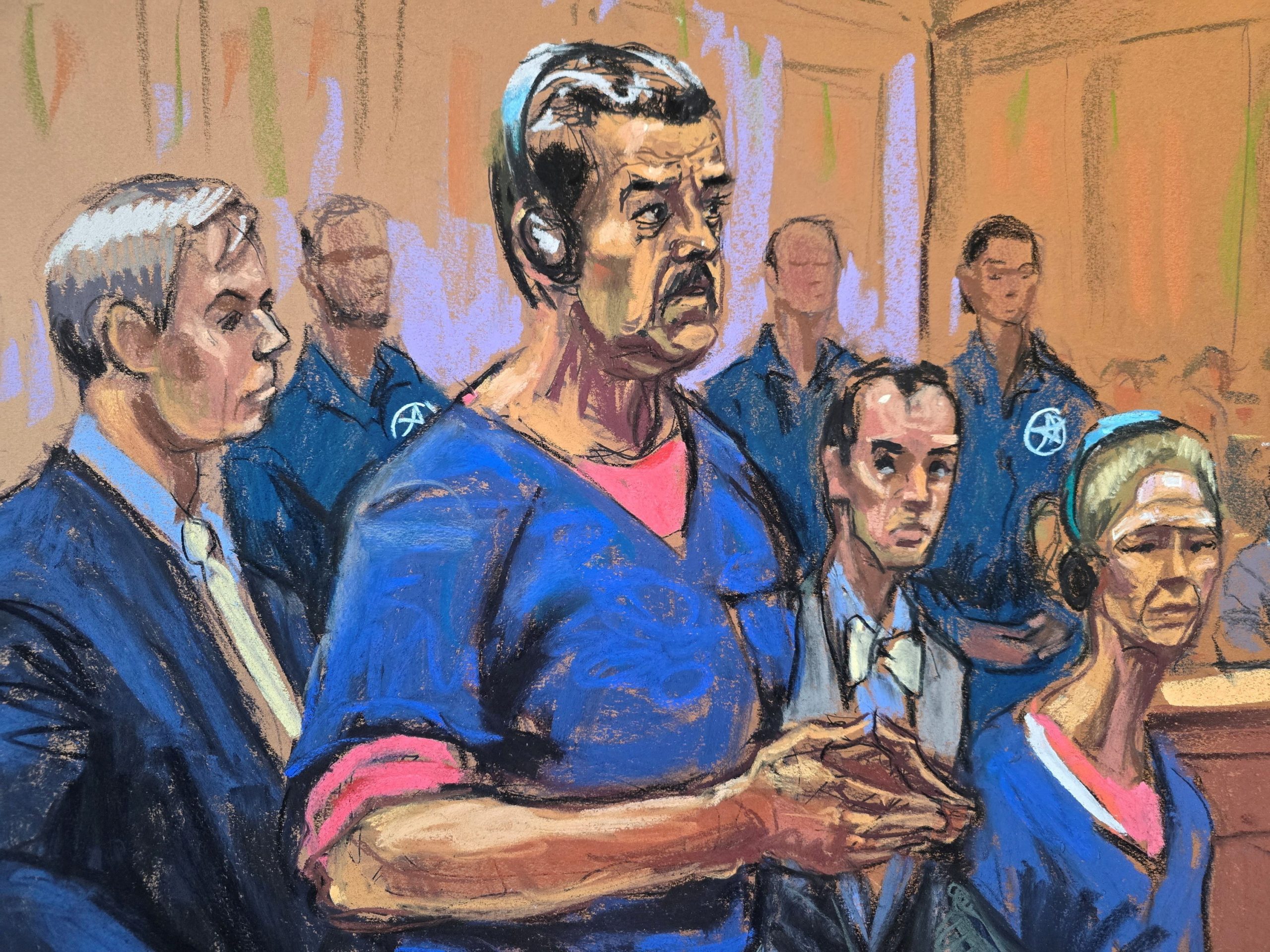
The arrest of Nicolás Maduro, a figure who has dominated Venezuelan politics for years, sent shockwaves across the region and beyond. The Monday proceedings saw Maduro, 63, firmly deny the charges leveled against him. According to US media reports from inside the courtroom, he declared, “I am innocent, I am not guilty,” while also maintaining his claim to still be the president of Venezuela. He stated he was arrested at his home in Caracas, labeling his detention as a kidnapping. However, Judge Alvin Hellerstein instructed Maduro to limit his statements to his name.
His wife, Célia Flores, also entered a plea of not guilty. Both remain in custody, with the next court date scheduled for March 17th. The charges against Maduro include four counts related to drug trafficking and possession of automatic weapons. A new indictment released over the weekend names Maduro and Flores, alongside four others, including powerful Venezuelan Interior Minister Diosdado Cabello and Maduro’s son.
The indictment accuses Nicolás Maduro of leading a “corrupt and illegitimate government” that has utilized state power for decades to protect and facilitate illegal activities, notably the smuggling of narcotics. This illicit trade, the indictment alleges, has enriched and empowered the Venezuelan political and military elite. The accusations extend to alleged collaboration with the Revolutionary Armed Forces of Colombia (FARC), designated a terrorist group by the US, and criminal gangs to smuggle tons of cocaine into the United States.
ردود الفعل السياسية في فنزويلا والمنطقة
The arrest has thrown Venezuelan politics into further turmoil. Thousands of supporters took to the streets of Caracas in a show of solidarity with Maduro. Simultaneously, former Vice President Delcy Rodríguez was sworn in as acting president. Addressing the National Assembly, Rodríguez expressed her pain over what she described as the “kidnapping” of Maduro and his wife, while also stating her commitment to represent all Venezuelans.
Her inaugural speech was overshadowed by reports of unidentified drones flying near the Presidential Palace in Caracas, prompting a security response and gunfire. Jorge Rodríguez, the recently re-elected President of the National Assembly and brother of the acting President, vowed to use “all means” to secure Maduro’s return. Nicolás Maduro Guerra, the former president’s son, similarly expressed confidence in his father’s eventual return.
The rhetoric from US President Donald Trump has been particularly assertive. He indicated that the current situation in Venezuela is effectively under US control, stating “We are in charge” when asked about who is responsible. Trump also warned Rodríguez that unless the “right thing” is done, she will “pay a very big price, perhaps even bigger than Maduro.” He dismissed the possibility of legitimate elections in Venezuela for at least the next thirty days, emphasizing the need to “bring the country back to normal first.”
التداعيات الدولية وتجميد الأصول
The US intervention and Maduro’s arrest have drawn criticism from several nations, who view it as an illegitimate intrusion into Venezuelan affairs. Despite these objections, the US maintains its rationale, framing the operation as a law enforcement action.
Several countries have reacted with concern and caution. Switzerland announced the immediate freezing of any assets belonging to Maduro and his associates. This move aligns with international efforts to exert pressure on the Venezuelan leadership and dismantle its alleged criminal network.
Defense Minister Vladimir Padrino Lopez acknowledged the meticulously planned operation, revealing that a “significant” number of Maduro’s security detail were killed during the arrest. Cuba, a key ally of Venezuela, reported the deaths of 32 Cuban security personnel providing protection and declared two days of national mourning.
Concerning potential further actions, Trump hinted at mirroring the operation in Colombia, accusing the Colombian President Gustavo Petro of involvement in drug trafficking and threatening a swift curtailment of such activities. Petro responded forcefully, stating that he would “take up arms again” if necessary.
تهديدات ترامب وتأثيرها المحتمل
The manner in which Trump has addressed the situation, seemingly dismissing international law and norms, has raised eyebrows amongst international observers. Brian Finucan, an expert at the International Crisis Group, pointed out that Trump “appears to be disregarding international law altogether.” He also suggested that even US domestic laws may be being violated.
Despite claims of no longer seeking to intervene in the domestic affairs of other countries – a reference to past interventions in Iraq and Afghanistan – Trump has openly discussed his interest in Venezuela’s vast oil reserves, the largest proven reserves of crude oil globally. He signaled his intention to allow US oil companies to exploit Venezuelan oil resources currently sold on the black market, particularly to China.
This entire episode highlights the complex and volatile situation in Venezuela, a nation grappling with political instability, economic crisis, and now, accusations of high-level corruption and criminal activity.
الخلاصة
The arrest of Nicolás Maduro marks a significant turning point in the Venezuelan crisis. While the legal proceedings unfold in New York, the political repercussions within Venezuela are already being felt, with a new acting president and heightened tensions. The international community remains divided, raising questions about the legitimacy and long-term consequences of the US intervention. It’s critical to remain vigilant and await further developments as the situation continues to evolve, understanding the potential for continued instability and the profound impact on the Venezuelan people. This situation requires continuous monitoring to understand the ripple effects created by these events and the challenges in achieving lasting political stability in the region.