


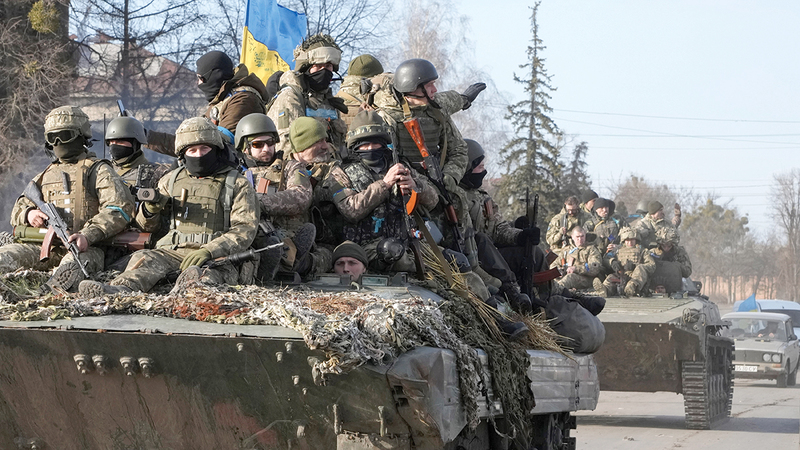
The Ukrainian government faces a daunting dilemma: caught between the relentless hammer of Russian shelling and the anvil of relinquishing sovereign Ukrainian territory, land deeply intertwined with its cultural identity. The situation in the Donbas region is particularly fraught, with potential concessions being weighed against the imperative of maintaining Ukraine’s territorial integrity. This article delves into the complex negotiations surrounding the Donbas, exploring proposed solutions and the underlying tensions that threaten lasting peace.
مستقبل دونباس: بين التنازلات والضمانات الأمنية
The core of the challenge lies in the ongoing conflict in the Donbas region. Ukraine currently controls between 10 and 15% of the Donetsk area, a region rich in coal reserves and home to significant heavy engineering industries. Russia, under President Vladimir Putin, has repeatedly stated that gaining full control of Donbas is a fundamental prerequisite for any meaningful peace talks.
Currently, two main proposals are circulating. The first suggests establishing a demilitarized zone in the region, while the second envisions a free economic zone, also demilitarized. Both concepts aim to create a buffer between Ukrainian and Russian-controlled territories. However, the devil is in the details, and concrete plans regarding governance, security monitoring, and economic benefits remain largely undisclosed.
المناطق المنزوعة السلاح والاقتصادية الحرة: تفاصيل غامضة وتحديات فنية
The lack of transparency surrounding these proposals raises significant concerns. Experts like Michael Kofman from the Carnegie Endowment, suggest the initial ideas appear to be drafted by US envoy Steve Witkov, but lack the necessary technical specifics. Establishing a demilitarized zone is a complex undertaking, heavily reliant on precise implementation and robust monitoring mechanisms.
A leaked plan from the Trump administration reportedly proposed transforming the remaining Ukrainian-held portion of the Donbas industrial belt into a demilitarized zone, with a complete withdrawal of Ukrainian forces and international recognition of the area as part of Russia. Ukraine understandably views this as an unacceptable demand, pointing out that Russia has not been asked to reciprocate with its own troop withdrawals. President Zelenskyy recently questioned the fairness of such a proposition, asking, “If Ukrainian forces withdraw five or ten kilometers, why shouldn’t Russia do the same?”
هل المنطقة الاقتصادية الحرة حل وسط مقبول؟
The idea of a free economic zone is believed to have originated from Ukrainian advisors, influenced by European counsel. While a demilitarized zone could potentially pave the way for Russian annexation, a free economic zone theoretically allows Ukraine to retain investment and industrial presence in the region. Some speculate that this proposal was also intended to appeal to former President Trump by offering lucrative opportunities for American businesses.
However, Zelenskyy clarified that the free economic zone concept was initially presented by the Americans, who refer to it as such, while the Russians prefer the term “demilitarized zone.” He expressed skepticism about Russia’s willingness to abide by any agreed-upon rules, questioning how to prevent disguised Russian forces from simply seizing control of the zone. This highlights a fundamental lack of trust, a major obstacle to any lasting agreement.
سوابق تاريخية محدودة وتنازلات غير مضمونة
Historically, there are few successful precedents for establishing a stable and lasting demilitarized or free economic zone in a conflict area. The success of such a zone in Donbas hinges on a genuine desire for peace from both sides, prioritizing the benefits of de-escalation over continued aggression.
Currently, Russia appears confident in its battlefield position, particularly given the perceived inclination of Trump towards Putin. Conversely, Ukraine and its European allies doubt that ceding further territory will lead to genuine and lasting peace. The Ukrainian government doesn’t believe formal territorial concessions guarantee a durable resolution, and Zelenskyy has insisted that a referendum is the only legitimate way to address the issue of territorial concessions.
موقف أوكرانيا: السيادة أولاً
The prevailing Ukrainian stance, articulated by Raphael Loose of the European Council on Foreign Relations, is to maintain the 1991 borders as the country’s legitimate boundaries. However, recognizing the current military realities, Ukraine is reportedly willing to accept de facto Russian control over already occupied territories, while insisting on maintaining its formal sovereignty over those areas and the regions currently under Russian control.
Some experts argue that Russia would require significantly more time, effort, and resources to fully reclaim the Ukrainian-held portions of Donbas. They challenge the assumption of the Trump administration that Ukraine is losing the war and should therefore trade land for peace. Kofman pointedly asks, “If the Russians could easily seize this territory, why aren’t they?”
التحديات المستمرة ومستقبل دونباس
Ultimately, the success of any proposed solution – whether a demilitarized zone or a free economic zone – depends on the willingness of both parties to genuinely commit to peace. The current situation suggests a significant imbalance in this regard. The future of Donbas remains uncertain, inextricably linked to the broader geopolitical dynamics and the evolving course of the conflict. The key to a lasting resolution lies in addressing the fundamental issues of trust, sovereignty, and security guarantees. The ongoing negotiations surrounding Donbas are a critical test of Ukraine’s resilience and the international community’s commitment to a just and sustainable peace.