







The United Arab Emirates (UAE) continues to strengthen its regional and international ties through high-level diplomatic engagements. Recent meetings hosted by His Highness Sheikh Mohamed bin Zayed Al Nahyan, President of the UAE, underscore the nation’s commitment to fostering collaboration and mutual prosperity. These discussions, particularly with Kuwait and Azerbaijan, highlight the importance of bilateral relations and collective action in addressing shared challenges and opportunities. This article will delve into the details of these meetings, exploring the key themes and their significance for the UAE’s foreign policy and regional stability. The focus will be on the العلاقات الإماراتية الكويتية (Emirati-Kuwaiti relations) and the broader context of these diplomatic efforts.
تعزيز الروابط الأخوية مع الكويت (Strengthening Brotherly Ties with Kuwait)
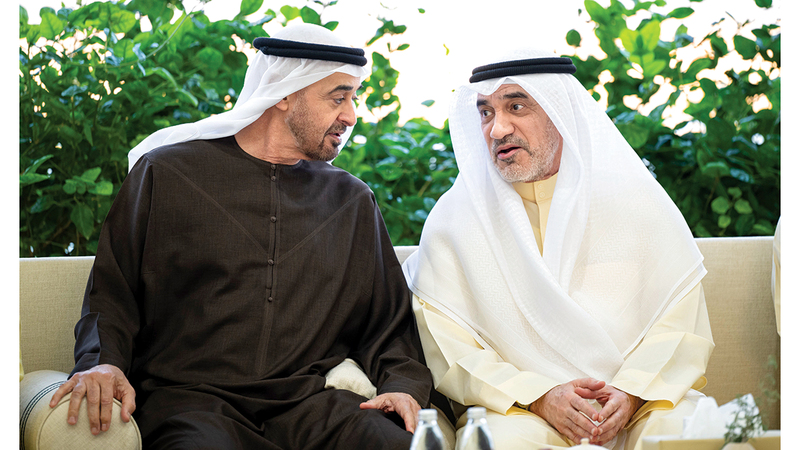
His Highness Sheikh Mohamed bin Zayed Al Nahyan received Sheikh Fahad Youssef Saud Al Sabah, the First Deputy Prime Minister and Minister of Interior of Kuwait, at Al Bahr Palace in Abu Dhabi. This meeting served as a powerful demonstration of the deep-rooted and enduring العلاقات الإماراتية الكويتية. Sheikh Fahad conveyed the greetings of his brother, Sheikh Mishal Al-Ahmad Al-Jaber Al-Sabah, Emir of Kuwait, and his best wishes for continued progress and prosperity for the UAE.
He also expressed Kuwait’s gratitude to Sheikh Mohamed bin Zayed for the initiative to celebrate the historical ties between the two nations, commencing on January 29th. This initiative is seen as a testament to the strong fraternal bonds and shared heritage that define the relationship between the UAE and Kuwait. The Kuwaiti official particularly appreciated the symbolism of the initiative, recognizing it as a reflection of the close connection between the two countries and their people.
Sheikh Mohamed bin Zayed reciprocated the greetings, sending his best wishes to the Emir of Kuwait and the Kuwaiti people for further growth and flourishing under his wise leadership. The discussions centered on the existing strong bonds and exploring avenues for enhanced cooperation across all sectors beneficial to both nations.
أهمية العمل الخليجي المشترك (The Importance of Joint Gulf Action)
A crucial aspect of the meeting revolved around the importance of bolstering joint Gulf action. Both leaders emphasized the need for continued collaboration among the Gulf Cooperation Council (GCC) member states to safeguard their collective interests and promote stability throughout the region. This commitment to unity is particularly vital in navigating the complex geopolitical landscape and addressing common security concerns. The leaders agreed that a unified GCC is essential for achieving the aspirations of its people for development and prosperity. This point underscores the UAE’s consistent advocacy for a strong and cohesive GCC.
تطوير التعاون مع أذربيجان (Developing Cooperation with Azerbaijan)
In a separate meeting, His Highness Sheikh Mohamed bin Zayed also welcomed Farid Ahmadov, the Minister of Justice of the Republic of Azerbaijan. This meeting signifies the UAE’s growing interest in strengthening its ties with Azerbaijan, a strategically important nation in the Caucasus region.
Ahmadov conveyed the greetings of the President of Azerbaijan, Ilham Aliyev, and his wishes for the continued prosperity of the UAE, as well as for the advancement of Emirati-Azerbaijani relations. Sheikh Mohamed bin Zayed, in turn, sent his greetings to President Aliyev and expressed his hopes for continued development and progress for Azerbaijan.
The discussions focused on the existing relationship between the two countries and explored opportunities to expand their mutual cooperation. This includes potential collaborations in areas such as investment, trade, and legal frameworks. The UAE recognizes Azerbaijan as a key partner in promoting regional stability and economic growth.
فرص الاستثمار والتبادل التجاري (Investment and Trade Exchange Opportunities)
The meeting with the Azerbaijani Minister of Justice highlighted the potential for increased investment and trade exchange between the two nations. Both sides expressed a desire to identify and capitalize on new opportunities for economic collaboration, fostering mutually beneficial growth. This aligns with the UAE’s broader strategy of diversifying its economy and forging strong partnerships with emerging markets. The discussion likely included exploring specific sectors where collaboration could be particularly fruitful, such as energy, technology, and infrastructure. The UAE is actively seeking to expand its economic footprint globally, and Azerbaijan represents a promising avenue for investment and trade.
The UAE’s proactive diplomatic approach, as demonstrated by these meetings, is a cornerstone of its foreign policy. By prioritizing strong bilateral relationships and advocating for regional cooperation, the UAE aims to contribute to a more stable and prosperous future for itself and its partners. The emphasis on the العلاقات الإماراتية الكويتية and the burgeoning ties with Azerbaijan are indicative of this commitment. These engagements are not merely ceremonial; they represent concrete steps towards deepening collaboration and addressing shared challenges.
Looking ahead, continued dialogue and strategic partnerships will be crucial for navigating the evolving geopolitical landscape. The UAE’s leadership is actively working to build bridges and foster understanding, solidifying its position as a key player in regional and international affairs. Further details on the January 29th initiative celebrating Emirati-Kuwaiti ties are anticipated, and will undoubtedly serve as a powerful symbol of the enduring friendship between the two nations. We encourage readers to stay informed about these developments and the UAE’s ongoing efforts to promote peace and prosperity.


