







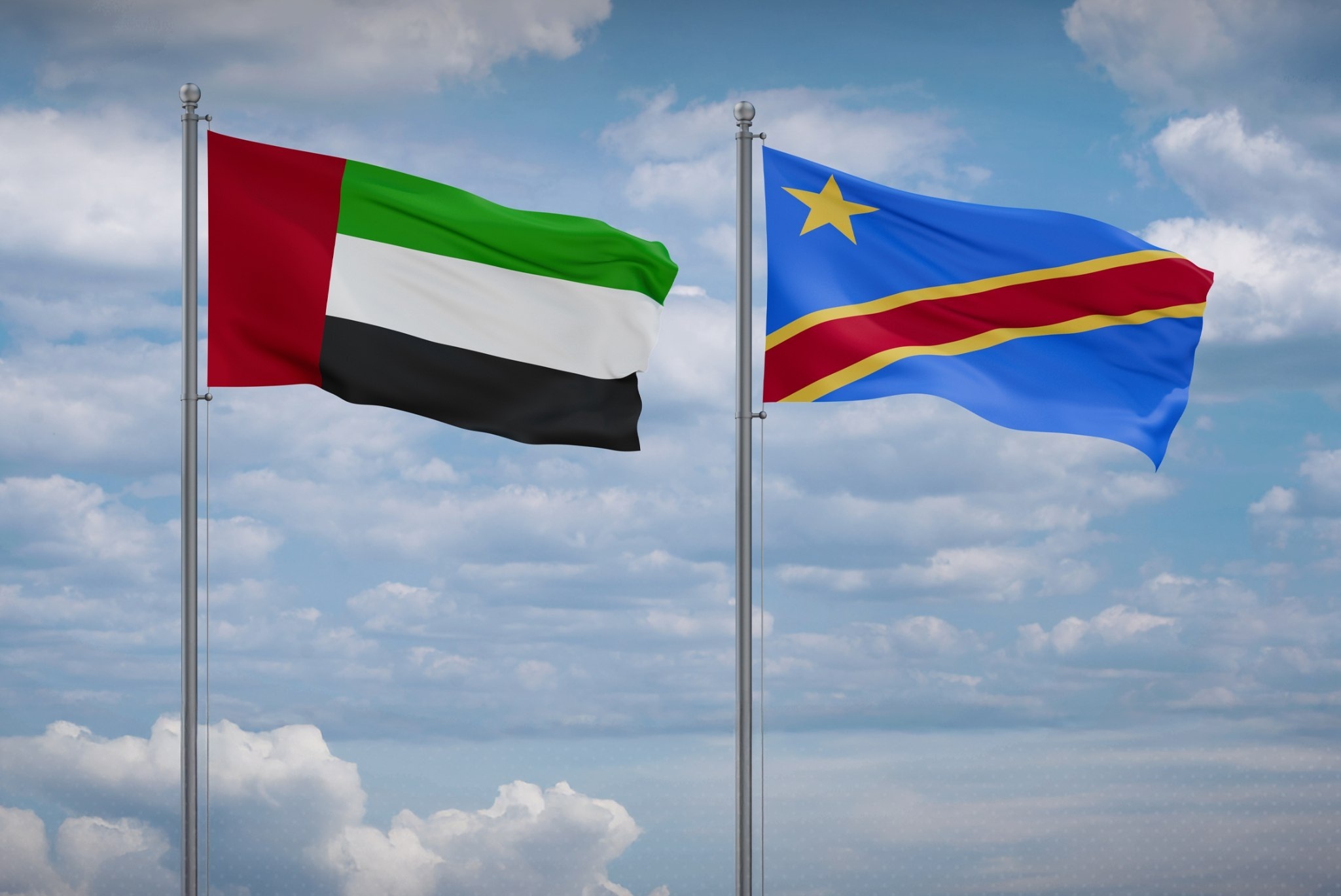
The recent high-level discussions between the United Arab Emirates and the Democratic Republic of Congo (DRC) signify a strengthening partnership and a shared commitment to regional stability. These talks, held on November 16, 2025, during the official visit of Sheikh Shakhboot bin Nahyan Al Nahyan, Minister of State, to the DRC, underscored the importance of bolstering UAE-DRC relations and addressing pressing geopolitical challenges in Africa and beyond. This article delves into the key outcomes of these discussions, focusing on the areas of cooperation and mutual concern.
Strengthening Bilateral Ties Between the UAE and DRC
The meeting between Sheikh Shakhboot bin Nahyan and Congolese President Félix Antoine Tshisekedi highlighted the robust and growing relationship between the two nations. Both sides affirmed their dedication to deepening collaboration across various sectors. The UAE lauded the DRC’s upcoming presidency of the International Conference on the Great Lakes Region, recognizing its pivotal role in promoting stability and tackling the region’s significant complexities.
Both parties acknowledged the advancements made in their partnership in recent years and expressed a firm commitment to further enhance these ties. This involves not only political dialogue but also exploring opportunities for increased economic and investment cooperation. The focus is on creating mutually beneficial partnerships that drive sustainable development in both countries.
Regional Security and Conflict Resolution: A Collaborative Approach
Discussion also extended to a broad overview of the security landscape across the continent and beyond. The UAE and DRC exchanged viewpoints on de-escalation strategies and supporting initiatives aimed at resolving conflicts impacting African nations. The two sides expressed a shared desire to foster peace and prosperity throughout the region.
A particularly significant point of discussion was the recent signing of the Doha Framework Agreement for Peace between the Congolese government and the “Congo River – M23 Movement” alliance. The UAE warmly welcomed this agreement as a crucial step towards national reconciliation and a brighter future for the people of the DRC, one characterized by security, prosperity, and lasting peace.
Addressing the Crisis in Sudan
The deteriorating situation in Sudan also featured prominently in the dialogue. Both the UAE and the DRC vehemently condemned the attacks on civilians perpetrated by warring parties in El Fasher and throughout Sudan. They jointly called for the immediate protection of civilians and humanitarian workers operating within the country.
Specifically, the discussions emphasized that the primary responsibility for ending the ongoing civil war rests with the Sudanese Armed Forces (SAF) and the Rapid Support Forces (RSF). Accountability for crimes committed was stressed, alongside a firm demand to cease the use of food and aid as weapons against vulnerable populations. Furthermore, the importance of preventing extremist groups, particularly those with links to the Muslim Brotherhood, from dictating Sudan’s future was emphatically stated. These groups are seen as destabilizing forces in the region, hindering the path toward sustainable peace.
Supporting Regional Initiatives: The Quad Group and Humanitarian Aid
The two nations reaffirmed their support for the efforts of the Quad Group – comprising the UAE, the United States, Saudi Arabia, and Egypt – to mediate and facilitate a resolution to the Sudanese conflict. They highlighted the crucial need for an immediate humanitarian ceasefire to enable the unimpeded delivery of aid to all parts of Sudan. The ultimate goal is a transition to a civilian-led government, free from the influence of warring factions and extremist networks.
Both the UAE and DRC pledged to continue close collaboration with regional and international partners, operating within the framework of the Quad Group, to achieve lasting peace, stability, and unity in Sudan. Effective humanitarian assistance and a politically inclusive government are seen as vital to the country’s recovery.
Addressing Sovereignty Concerns – The Iranian-Occupied Islands
Beyond the immediate concerns within the African continent, the discussion extended to the ongoing dispute regarding the three Emirati islands – Greater Tunb, Lesser Tunb, and Abu Musa – occupied by Iran. Both the UAE and DRC reiterated their call for Iran to end its occupation, a clear violation of UAE sovereignty and the principles of the United Nations Charter.
They expressed deep concern over the lack of progress in resolving this long-standing issue and reaffirmed their steadfast support for a peaceful settlement through bilateral negotiations or, failing that, referral to the International Court of Justice, in accordance with international law and UN principles. This shared stance demonstrates a commitment to upholding international law and respecting national sovereignty.
Water Security and Global Cooperation
The discussions also touched upon the vital issue of water security. The UAE and DRC highlighted the pivotal role of the 2026 UN Water Conference, hosted by the UAE in partnership with Senegal, in advancing global efforts in this critical area. The UAE’s contributions to enhancing water technology, innovation, and expanding access to solutions, like the “Mohammed bin Zayed Water Initiative”, were also recognized.
In conclusion, the meetings between the UAE and DRC on November 16, 2025, represent a significant step forward in their UAE-DRC relations. The discussions demonstrated a shared commitment to regional stability, conflict resolution, and sustainable development. The two nations’ coordinated approach, particularly regarding Sudan and the Iranian occupied islands, signals a unified front on important geopolitical issues. Continued dialogue and collaboration, as demonstrated by the support for the Quad Group and the UN Water Conference, will be crucial for creating a more peaceful and prosperous future for both the DRC, the UAE, and the wider region. This collaboration promises to strengthen bilateral cooperation and address shared challenges, solidifying a strong partnership for years to come, which is underpinned by a commitment to supporting regional security across the African continent.


