







The United Arab Emirates is continuously striving to enhance its educational system and align it with the evolving demands of the labor market. A key initiative in this direction is the recently highlighted برنامج الإعارة العملية (Practical Secondment Program), designed to bridge the gap between academia and industry. This program, stemming from collaborative efforts between economic sectors and higher education institutions, promises a revitalized approach to learning and skill development for both faculty and students. The Ministry of Higher Education and Scientific Research (MoHER) has been actively promoting this program through dedicated workshops, signaling its commitment to a future-ready workforce.
تعزيز الربط بين التعليم العالي وسوق العمل: برنامج الإعارة العملية (Strengthening the Link Between Higher Education and the Labor Market: The Practical Secondment Program)
The MoHER recently concluded two specialized workshops aimed at familiarizing universities with the details of the برنامج الإعارة العملية. These workshops were a direct outcome of the work conducted by the partnership group between economic sectors and higher education institutions, which itself was established under the Advisory Committee for Higher Education and Future Skills. This demonstrates a structured, top-down approach to addressing the critical need for a more responsive and relevant educational landscape.
The core objective of this initiative is to foster a stronger connection between what is taught in universities and the practical skills required by employers. This is achieved by enabling faculty members to spend time working directly within companies in priority economic sectors. This immersion allows them to gain firsthand experience of industry challenges and best practices.
كيف يعمل برنامج الإعارة العملية؟ (How Does the Practical Secondment Program Work?)
The برنامج الإعارة العملية operates on a model of temporary placement. Faculty members are granted leave from their academic duties to work for a defined period within a partner organization. This isn’t simply about observation; it’s about active participation and contribution.
During their secondment, faculty are expected to apply their expertise to real-world problems, learn new techniques, and develop a deeper understanding of industry needs. This experience is then brought back to the university, informing curriculum development and teaching methodologies. This cyclical process of learning and application is central to the program’s success.
Furthermore, the program aims to contribute to the development of research and development initiatives, enhancing their practical applications and impact. It’s a move towards more applied research, directly benefiting the UAE’s economic growth. تطوير المناهج الدراسية (Developing curricula) is a key outcome expected from this initiative.
تفاعل واسع في ورش العمل التعريفية (Wide Interaction in the Introductory Workshops)
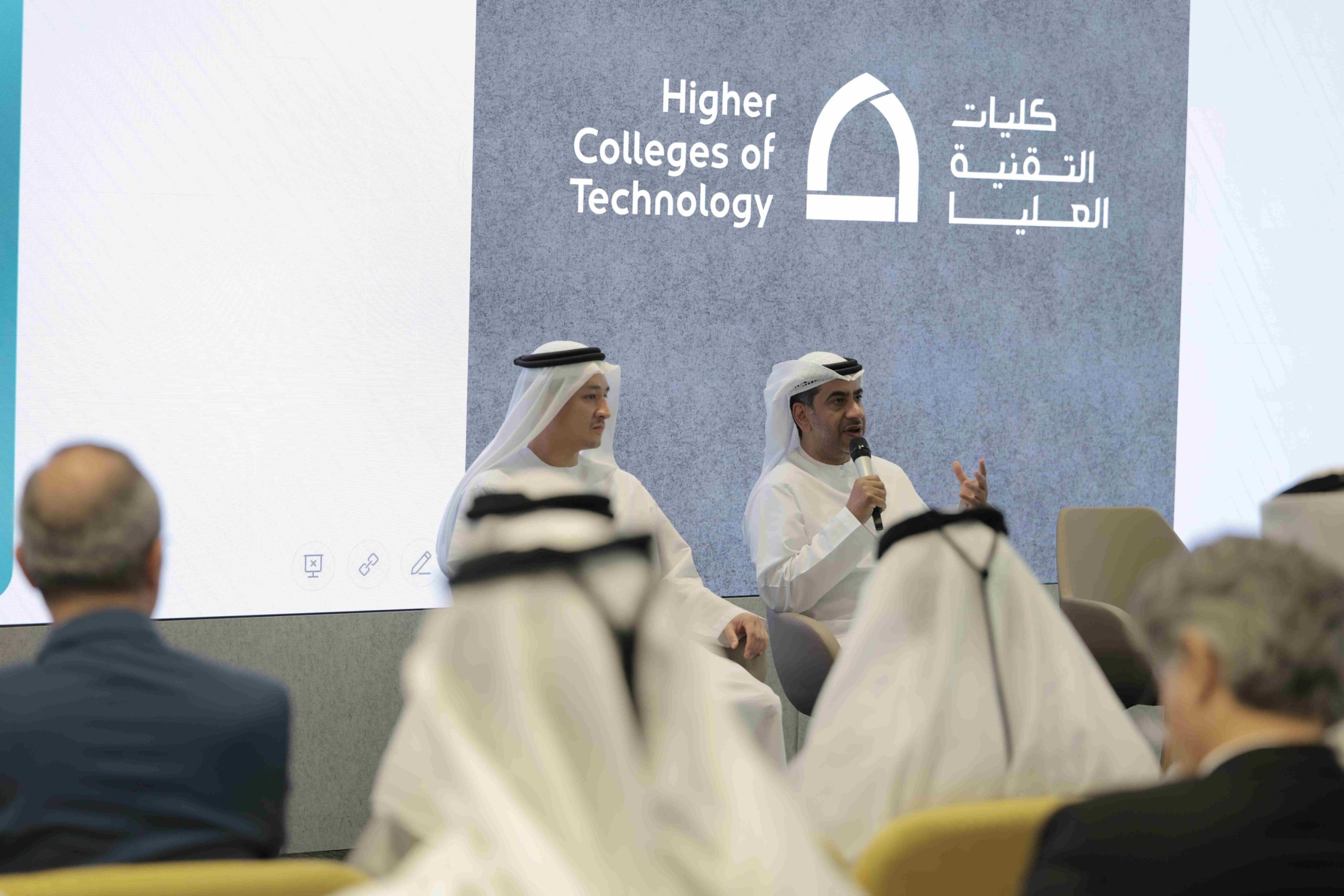
The two workshops, held in Abu Dhabi and Dubai, were led by Dr. Faisal Al-Ayan and Dr. Khaled Askar respectively, key figures in the partnership between academia and industry. The events saw significant participation, with over 180 representatives from 22 higher education institutions attending. This included university leadership, faculty members from various departments, and individuals directly involved in curriculum design.
The workshops weren’t simply presentations; they were interactive sessions designed to gather feedback and address concerns. Discussions focused on the program model, its implementation steps at the national level, and the specific needs of each university. The MoHER emphasized a collaborative approach, recognizing that the program’s success depends on the active involvement of all stakeholders. مهارات المستقبل (Future skills) were a recurring theme throughout the discussions, highlighting the program’s focus on preparing students for the jobs of tomorrow.
الخطوات التالية وتوسيع نطاق البرنامج (Next Steps and Expanding the Program’s Scope)
Following the initial workshops, the MoHER plans to organize additional sessions specifically tailored to industrial sectors. This will ensure that the program is responsive to the unique requirements of each industry and that faculty members are placed in environments where they can make the most significant contribution. The goal is to continually refine the program based on feedback and expand its reach to include more universities and private sector companies.
The long-term vision is to create a sustainable mechanism for regularly updating curricula in higher education institutions. This will be driven by the practical experiences gained by faculty members during their secondments, ensuring that education remains relevant and aligned with the rapidly evolving technological landscape and the demands of the UAE’s economy. The program also aims to provide students with more high-quality training and employment opportunities upon graduation. التدريب المهني (Vocational training) will be significantly enhanced through this initiative.
تحقيق رؤية الإمارات 2031 و 2071 (Achieving the UAE’s Vision 2031 and 2071)
The برنامج الإعارة العملية is not an isolated initiative; it’s a crucial component of a broader strategy led by the MoHER to align academic pathways with the needs of the economic sectors and the labor market. This strategy is firmly rooted in the objectives of the “We the UAE 2031” vision and the UAE Centennial 2071.
By investing in human capital development and fostering a culture of continuous learning, the UAE is positioning itself for sustained economic growth and global competitiveness. This program represents a significant step towards achieving these ambitious goals, ensuring that the nation’s workforce is equipped with the skills and knowledge necessary to thrive in the 21st century and beyond.
This initiative promises a more dynamic and responsive educational system, ultimately benefiting students, faculty, and the UAE’s economy as a whole. For more information on the program and how to participate, please visit the MoHER website or contact your university’s administration. We encourage all stakeholders to actively engage in this transformative process.


