







The recent attack on a military base in Borno State, northeastern Nigeria, has drawn strong condemnation from the United Arab Emirates. This act of الإرهاب في نيجيريا (Terrorism in Nigeria) underscores the persistent threat of violent extremism in the region and the UAE’s unwavering stance against all forms of it. The incident, resulting in numerous casualties among Nigerian armed forces personnel, highlights the urgent need for international cooperation to combat terrorism and restore stability. This article will delve into the UAE’s response, the context of the attack, and the broader implications for regional security.
رد فعل الإمارات على الهجوم الإرهابي (UAE’s Reaction to the Terrorist Attack)
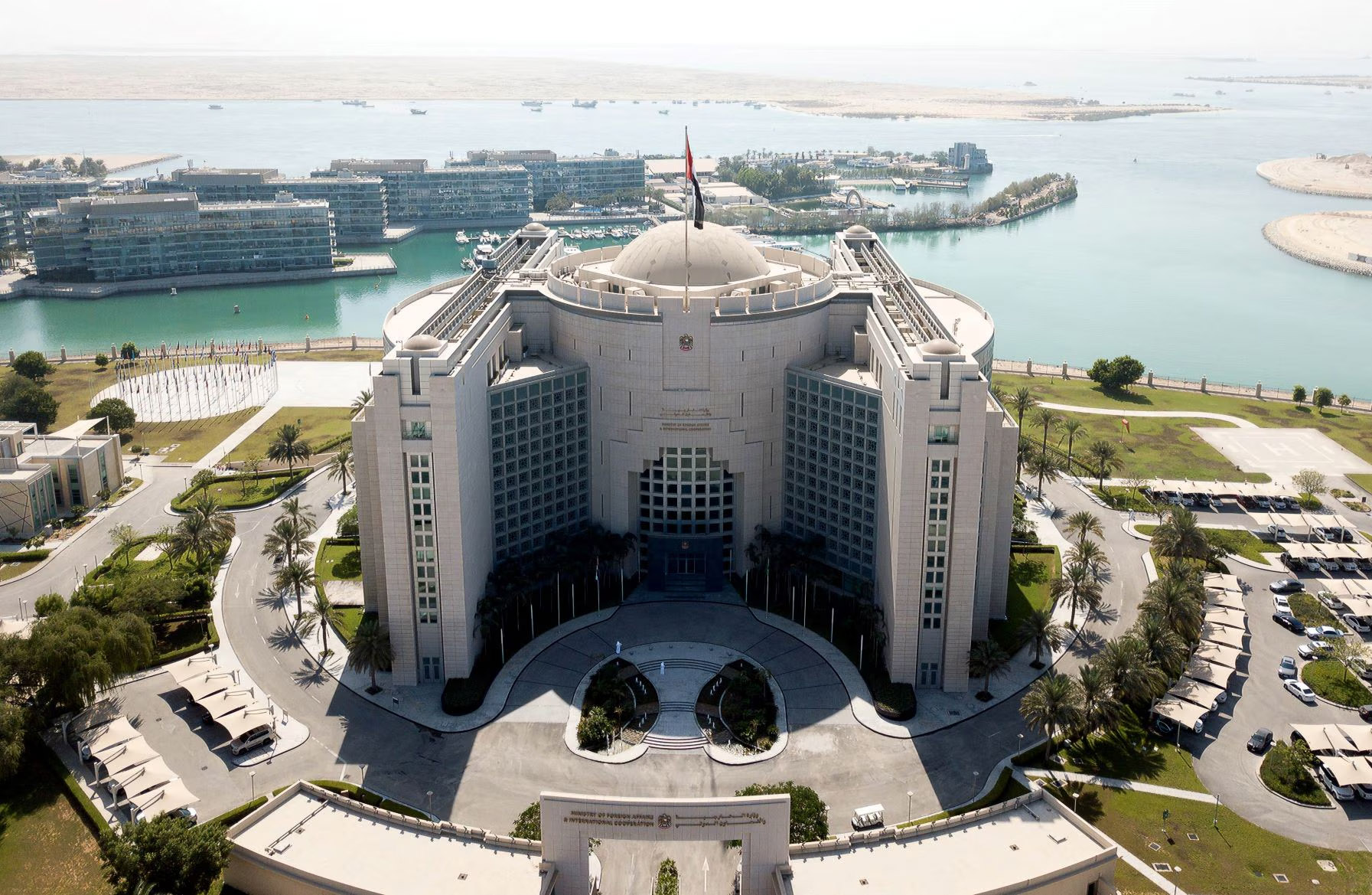
The UAE’s Ministry of Foreign Affairs swiftly issued a statement vehemently condemning the terrorist attack. The statement explicitly expressed the UAE’s strong denunciation of these criminal acts and its firm rejection of all forms of violence, extremism, and الإرهاب (terrorism) aimed at destabilizing security and stability. This response is consistent with the UAE’s long-held position of zero tolerance towards terrorism, regardless of its perpetrators or motivations.
The Ministry further extended its sincere condolences and heartfelt sympathy to the families and loved ones of the victims, as well as to the government and people of Nigeria. A wish for a speedy recovery was also conveyed to those injured in the attack. This demonstrates the UAE’s solidarity with Nigeria in the face of adversity and its commitment to supporting the country’s efforts to counter terrorism.
تفاصيل الهجوم في بورنو (Details of the Borno Attack)
The attack, which occurred in Borno State, a region plagued by years of insurgency, targeted a military facility. While specific details regarding the perpetrators and tactics employed are still emerging, initial reports point to the involvement of extremist groups operating in the area. These groups, often motivated by ideological extremism and seeking to exploit socio-economic grievances, have consistently targeted security forces and civilian populations.
Borno State, along with neighboring states, has been a hotspot for Boko Haram and, more recently, the Islamic State West Africa Province (ISWAP). These organizations have carried out numerous attacks, including bombings, kidnappings, and armed assaults, causing widespread suffering and displacement. The recent attack is a stark reminder of the ongoing challenges faced by the Nigerian military in containing these threats. The scale of the casualties also indicates a potentially escalating level of violence and sophistication on the part of the attackers. Understanding the root causes of العنف والتطرف (violence and extremism) in the region is crucial for developing effective counter-terrorism strategies.
السياق الإقليمي ومكافحة الإرهاب (Regional Context and Counter-Terrorism)
The attack in Borno State doesn’t occur in isolation. It is part of a broader pattern of terrorist activity across the Sahel region and West Africa. The instability in countries like Mali, Burkina Faso, and Niger has created a permissive environment for extremist groups to flourish and expand their operations.
The UAE recognizes the interconnectedness of these threats and has been actively involved in regional and international counter-terrorism efforts. This includes providing financial assistance, sharing intelligence, and participating in diplomatic initiatives aimed at addressing the underlying factors that contribute to radicalization and violence. The UAE’s approach to counter-terrorism is multifaceted, encompassing not only security measures but also development programs and initiatives to promote education and economic opportunity.
Furthermore, the UAE has consistently advocated for a strengthened international response to terrorism, emphasizing the importance of collaboration and information sharing among nations. The country believes that a united front is essential to effectively combat this global menace. The issue of الأمن والاستقرار (security and stability) is paramount for the UAE, and it views supporting regional stability as a key component of its foreign policy.
التحديات التي تواجه نيجيريا (Challenges Facing Nigeria)
Nigeria faces significant challenges in its fight against terrorism. These include a vast and porous border, limited resources, and a complex socio-political landscape. Addressing these challenges requires a comprehensive strategy that combines military action with efforts to improve governance, promote economic development, and address the grievances of marginalized communities.
Additionally, strengthening the capacity of the Nigerian security forces and enhancing regional cooperation are crucial steps. International support, such as that provided by the UAE, can play a vital role in helping Nigeria overcome these obstacles and achieve lasting peace and security.
أهمية التعاون الدولي (The Importance of International Cooperation)
The UAE’s condemnation of the attack and its expression of support for Nigeria underscore the importance of international cooperation in combating terrorism. Terrorist groups operate across borders and exploit vulnerabilities in the international system. Therefore, a coordinated and collaborative response is essential to effectively disrupt their activities and prevent future attacks.
The UAE’s commitment to fighting الإرهاب في نيجيريا and beyond is unwavering. It will continue to work with its partners to address this global threat and promote a more secure and stable world. This includes supporting initiatives aimed at countering violent extremism, strengthening border security, and enhancing intelligence sharing.
In conclusion, the recent terrorist attack in Borno State is a tragic reminder of the ongoing threat of violent extremism in Nigeria and the wider Sahel region. The UAE’s strong condemnation and offer of support demonstrate its commitment to fighting terrorism and promoting regional stability. Addressing this challenge requires a comprehensive and collaborative approach, involving not only security measures but also efforts to address the underlying socio-economic and political factors that contribute to radicalization and violence. We encourage readers to learn more about the UAE’s foreign policy and its efforts to combat terrorism globally, and to support initiatives that promote peace and security in vulnerable regions.


