


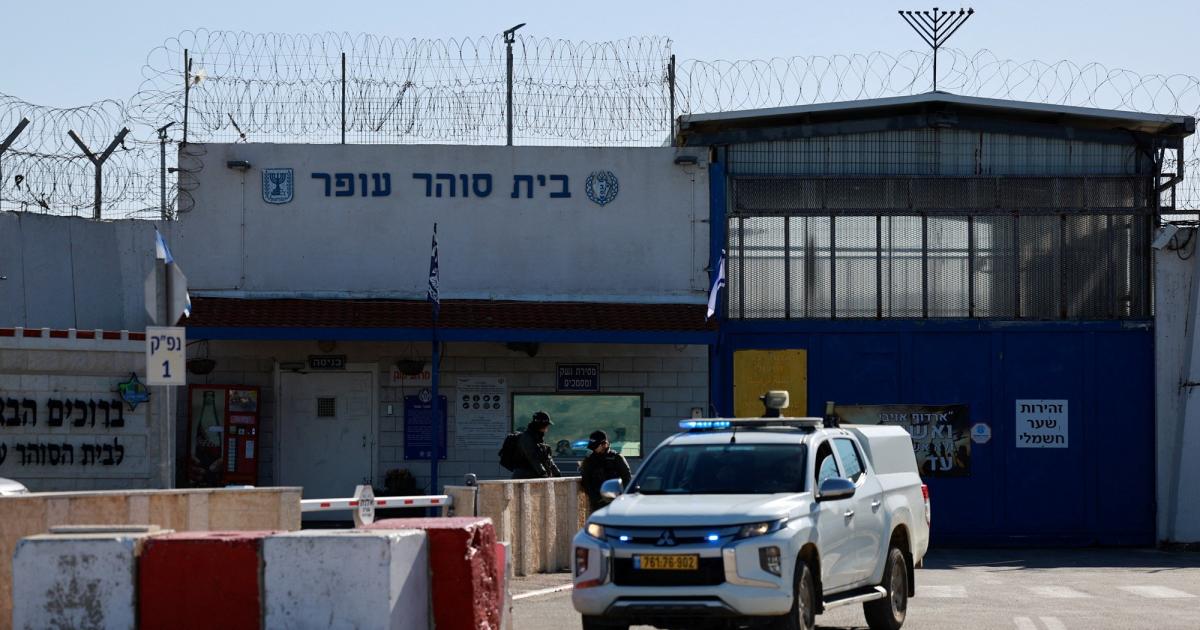
The Palestinian Prisoners’ Club has revealed a harrowing reality within Israeli prisons: the deliberate weaponization of winter conditions against Palestinian prisoners and detainees. This systematic deprivation of basic necessities, particularly adequate clothing and heating, is not merely a consequence of harsh weather, but a calculated form of torture exacerbating physical and psychological suffering, and leading to the widespread outbreak of disease. The situation demands urgent attention and highlights a critical aspect of the ongoing occupation.
فصل الشتاء كأداة تعذيب في سجون الاحتلال (Winter as a Tool of Torture in Occupation Prisons)
Since the start of the ongoing aggression, the Israeli prison system has implemented a policy of stripping prisoners and detainees of their personal belongings, including clothing and essential items. This wasn’t initially framed as torture, but as collective punishment and retribution. However, the Palestinian Prisoners’ Club asserts that this practice has evolved into a meticulously organized system of physical and psychological torment. The deliberate worsening of conditions during fصل الشتاء (winter) is a key component of this strategy.
Over two years into the current period of heightened aggression, prisons have become extensions of the battlefield. The prison administration continues to employ various methods to subjugate and torture prisoners. The definition of torture itself has been broadened, becoming increasingly difficult to define within the comprehensive and oppressive system in place. This system has tragically resulted in the deaths of over 100 prisoners and detainees, with 87 officially identified, while the fate of the remaining individuals remains unknown, victims of enforced disappearance.
الحرمان من الضروريات الأساسية: الملابس والتدفئة (Deprivation of Basic Necessities: Clothing and Heating)
The denial of basic necessities, especially clothing, is a prominent form of torture, particularly acute during the winter months when temperatures plummet. الأسرى (prisoners), including women and children, are vulnerable to numerous illnesses due to insufficient clothing and the complete lack of heating. Overcrowding in cells further compounds the problem, creating unsanitary and inhumane conditions.
Cells designed for a maximum of six prisoners now routinely house between 10 and 12, forcing half of the occupants to sleep on the floor. The blankets provided are often thin, worn, and smell foul, offering minimal protection against the cold. This isn’t simply discomfort; it’s a deliberate attempt to break the spirit and weaken the bodies of those incarcerated.
تفشي الأمراض: الجرب كنموذج (Spread of Diseases: Scabies as an Example)
Hundreds of testimonies collected by specialized organizations confirm that winter is consistently the most brutal period within the prisons. Currently, there’s a resurgence of scabies (الجرب – السكابيوس), directly linked to the lack of hygiene, severe overcrowding, and high humidity levels that permeate the cells, clinging to walls, clothing, and blankets.
The prison administration isn’t merely failing to address the problem; it’s actively contributing to its spread. Despite claims of providing treatment and winter clothing, the assistance offered is superficial. A single tube of ointment is often expected to treat multiple infected prisoners within a cell, forcing them to share and re-contaminate. The clothing provided is frequently used, potentially contributing to the re-emergence of infections. This highlights a systemic disregard for the health and well-being of الأسرى.
أساليب تعذيب إضافية: التجويع والإذلال (Additional Torture Methods: Starvation and Humiliation)
Beyond the cold and disease, prisoners face additional forms of torment. The practice of starvation, denying them nutritious food that could provide energy and warmth, continues. Some prison administrations deliberately leave cell windows open during winter and close them during summer, further exacerbating the suffering. This leads to severe fatigue and exhaustion, preventing prisoners from getting adequate rest.
The brutality extends to physical and psychological abuse. Special forces units routinely raid cells, inflicting beatings and using police dogs and tasers to terrorize prisoners. Even visits are weaponized, with prisoners forced to endure humiliating and degrading conditions while visibly shivering from the cold, particularly in desert prisons like “Naqab” and “Janooth,” and camps like “Sdei Teiman.”
غياب المساءلة القانونية (Lack of Legal Accountability)
These policies are not new, but have reached an unprecedented level of organized cruelty following the recent escalation of violence. Attempts by human rights organizations operating in 1948 territories to petition the Israeli Supreme Court to improve prison conditions have yielded no substantial results. Instead, the prison system has intensified its abuses, disregarding even the limited recommendations issued by the court. This includes failing to provide adequate food, clothing, and treatment for scabies, despite repeated reports from various sources, including institutions within the occupation itself, documenting the escalating violations.
أعداد الأسرى والمعتقلين (Numbers of Prisoners and Detainees)
As of January 2026, the number of prisoners and detainees acknowledged by the Israeli prison administration exceeds 9,350. However, the actual number is likely higher, as an unknown quantity of individuals remain detained in army camps without accurate records. The situation demands transparency and accountability.
The Palestinian Prisoners’ Club continues to document and expose these inhumane conditions, calling for international intervention to protect the rights and well-being of الأسرى. The deliberate use of winter as a tool of torture is a stark reminder of the ongoing injustice and the urgent need for a just and lasting resolution to the Israeli-Palestinian conflict. Raising awareness about ظروف الأسرى (prisoner conditions) is crucial to building solidarity and advocating for their release and humane treatment.