


The situation in the Gaza Strip is rapidly deteriorating, with increasing restrictions placed on vital aid and international organizations. According to Adnan Hamouda, coordinator of the governmental operations room in the Gaza Strip, a systematic Israeli escalation is deliberately targeting the functionality of international and relief organizations operating within the sector. This alarming development, revealed on Monday, January 5th, 2025, threatens to exacerbate the already dire humanitarian crisis, pushing the Palestinian population towards forced displacement. The core of the issue lies in the حصار غزة (Gaza blockade) and its increasingly ruthless implementation regarding humanitarian access.
تصعيد الحصار: استهداف ممنهج للمؤسسات الإنسانية (Escalation of the Blockade: Systematic Targeting of Humanitarian Organizations)
Hamouda’s statements, reported by the Sawa News Agency following an interview with Voice of Palestine radio, paint a grim picture. The Israeli authorities are allegedly refusing to issue permits for dozens of crucial health and humanitarian organizations. This isn’t merely bureaucratic delay; it’s a deliberate obstruction intended to tighten the grip on Palestinians and create conditions that encourage their expulsion. This obstruction builds upon the existing حصار غزة – a pre-existing hardship now compounded by intentional targeting of aid workers.
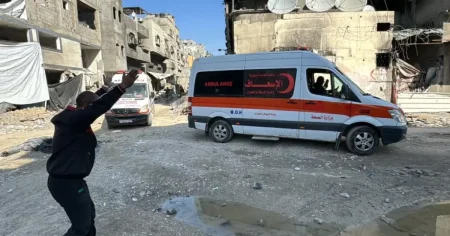
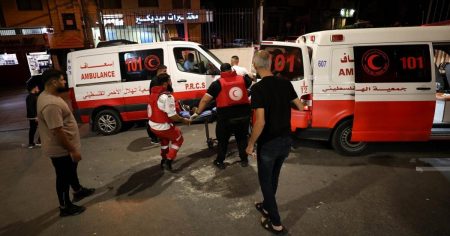
The restrictions aren’t limited to entry permits. Hamouda clarified that the Israeli side has moved beyond simply closing crossings, now actively hindering the work of organizations within Gaza by restricting their movement and preventing them from carrying out essential health and relief operations. Recently, a substantial number of international organizations, including Médecins Sans Frontières (Doctors Without Borders), have been added to the “banned list”, effectively depriving residents of even the most basic necessities.
أزمة المساعدات الإنسانية وشاحنات الإغاثة (The Humanitarian Aid Crisis and Relief Trucks)
The flow of aid into Gaza has been severely restricted, falling drastically short of stated agreements. Hamouda stated that the Israeli side consistently fails to adhere to agreements dictating the entry of between 600 and 1000 trucks daily. The current average, he asserts, is barely 290 trucks per day. Furthermore, a large proportion of these trucks are carrying commercial goods, not the urgently needed المساعدات الإنسانية (humanitarian aid).
This disparity is devastating. The quantity of aid reaching Gaza simply does not meet the minimum requirements of the enormous needs of the population. The lack of sufficient supplies impacts everything from food security to medical care, further eroding living conditions. The continuous reduction in aid delivery acts as another layer on top of the already existing حصار غزة.
تأثير القيود على السكان المدنيين (The Impact of Restrictions on Civilians)
The limits on truck access have a direct and immediate impact on the civilian population. Hospitals are struggling with shortages of essential medical supplies, food supplies are dwindling, and access to clean water remains a critical concern. This deliberate restriction creates a climate of desperation, pushing people further into vulnerability.
ملف الإيواء ورفض توفير المأوى (Shelter Crisis and Refusal to Provide Housing)
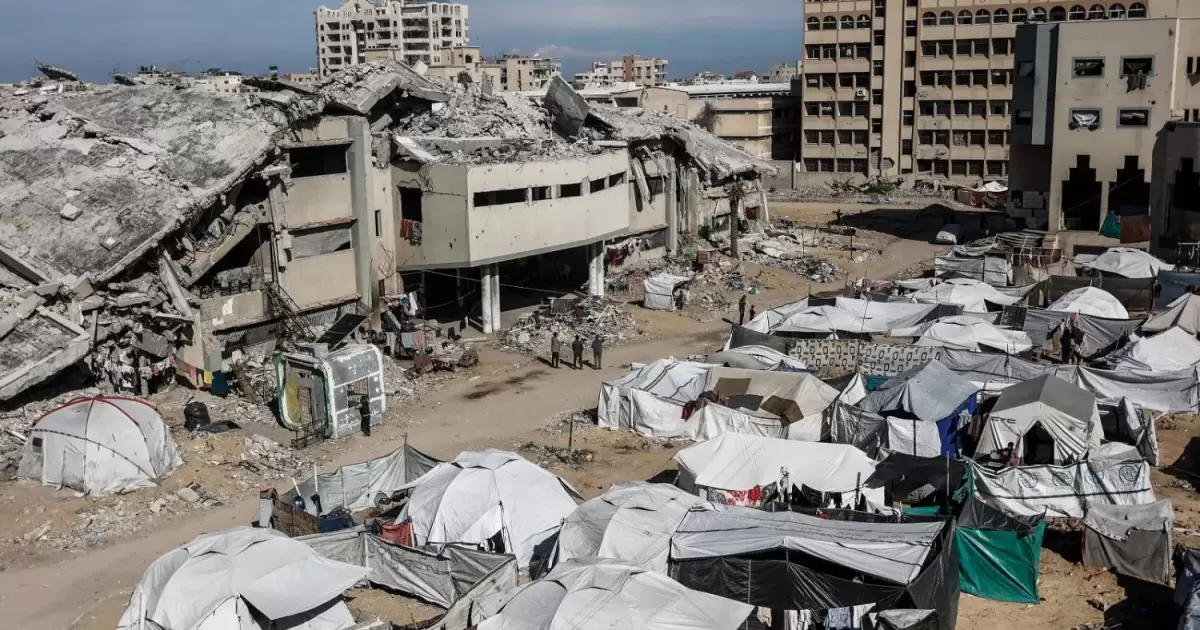
The situation regarding shelter is reaching catastrophic levels. Hamouda warned of a looming humanitarian disaster in the shelter sector, emphasizing that the Israeli authorities are categorically refusing to allow the entry of “caravans” (mobile homes) into the Gaza Strip.
Currently, people are relying on tents and makeshift shelters, which are woefully inadequate to withstand the harsh weather conditions. Recent storms and heavy rains have repeatedly torn down tents, leaving families exposed to the elements. This refusal to provide durable shelter compounds the suffering and risks the health and lives of vulnerable populations. This also is another aspect of the ongoing حصار غزة.
The denial of caravans isn’t simply a logistical issue; Hamouda argues it’s a clear political decision designed to prevent Palestinians from establishing a sense of permanence and reinforcing their resilience on their land. It effectively seeks to undermine their right to return to their destroyed homes.
رفض التهجير: موقف فلسطيني موحد (Rejection of Displacement: A Unified Palestinian Stance)
Despite the immense suffering and unrelenting pressure, the Palestinian people remain steadfast in their refusal to be displaced. Hamouda concluded his statement by reaffirming the unified Palestinian position – both popular and official – against all plans for forced displacement.
“Despite the severe suffering and the occupation’s pressure by all means,” he stated, “the Palestinian people remain steadfast on their land and will not leave it.” This resilience, combined with a continued call for international intervention to lift the حصار غزة and allow for the unfettered delivery of humanitarian aid, represents a crucial line of defense against a deepening crisis. The future of Gaza hinges on the international community’s willingness to address this escalating situation with urgency and resolve and put an end to the systematic obstruction of humanitarian efforts.