



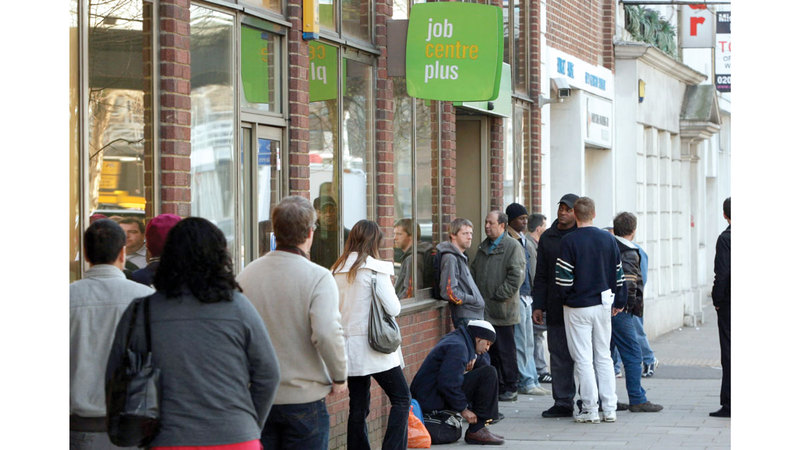
The United Kingdom is facing a concerning trend: a growing risk of creating a “lost generation” of youth, as highlighted by recent government warnings and economic data. Approximately half of the jobs lost since the Labour Party assumed power have disproportionately impacted individuals under the age of 25. This crisis in youth unemployment is drawing sharp criticism of the current government as it prepares to announce its autumn budget. The situation demands immediate attention to prevent potentially devastating economic and social consequences.
ارتفاع معدلات البطالة بين الشباب في بريطانيا: تحذير من جيل ضائع
The alarming statistics paint a clear picture. Data reveals that 46% of the approximately 170,000 jobs lost since June represent positions held by those under 25 – a loss of roughly 150 jobs per day. This isn’t merely a statistical blip; it represents a significant threat to the future prospects of young Britons. Former Labour Education Secretary, David Blunkett, expressed his deep concern, emphasizing the necessity for collaborative action. “We need to work together,” he stated, “because if we don’t act now, we will find ourselves facing a lost generation, and if we don’t take appropriate steps to prevent that, the economic, social, and personal consequences will be devastating.”
دعوات لإعادة إحياء “الصفقة الجديدة للشباب”
Blunkett, a prominent figure during Tony Blair’s Labour government, has urged current Prime Minister Keir Starmer to consider reviving the “New Deal for Youth” program implemented in the 1990s. This program, designed to provide training and employment opportunities for young people, could be a crucial step in addressing the current crisis. The urgency stems from the rapidly deteriorating employment landscape for young people. The reliance on such initiatives underscore the seriousness with which the potential for long-term scarring on the job market is perceived.
تفاقم أزمة البطالة بين الشباب: الأرقام تتحدث
The figures are stark. Youth unemployment in the UK has risen from 14.8% a year ago to 15.3% currently – the highest rate outside of the COVID-19 pandemic since 2015. This rate is almost three times higher than the overall unemployment rate for those over 16. Long-term youth unemployment has also reached levels not seen in a decade. Despite representing only 10% of the UK’s total workforce, young workers are disproportionately bearing the brunt of job losses over the past year.
An analysis of data from HM Revenue & Customs reveals a decrease of approximately 77,000 employees under the age of 25 on payrolls between June 2024 and November, predating Labour’s landslide election victory. The decline is particularly pronounced among those under 18. Although there has been some recovery with the addition of 37,000 young employees, the overall number remains lower than it was in June of the previous year. This persistent downward trend is a serious cause for concern. Evidence suggests the impact of economic policies on employment rates has been largely negative.
الانتقادات الموجهة للحكومة بسبب ارتفاع الضرائب
The Labour Party is facing intense scrutiny over the weakening labour market. Last year’s budget, delivered by Chancellor Rachel Reeves, increased National Insurance contributions by £25 for employees. Critics have seized upon this increase, arguing that it’s contributing to job losses. The Bank of England has also indicated that the tax hike has negatively affected employment, particularly in the hospitality and retail sectors – industries that traditionally serve as entry points for young people entering the workforce.
Shadow Chancellor, Mel Stride, stated plainly that the Chancellor is “responsible for creating a lost generation,” adding that “you can’t create jobs for young people by punishing the businesses that employ them.” Daisy Cooper, Liberal Democrat Treasury Spokesperson, has called on Reeves to reverse the tax increase announced in the November budget, characterizing the youth employment crisis as a “ticking time bomb” with readily available solutions.
تأثير الضرائب على قطاعي الضيافة والتجزئة
The sectors most affected – hospitality and retail – are particularly vulnerable to changes in taxation. These industries heavily rely on a younger workforce, and the increased costs associated with National Insurance have led to reduced hiring and, in some cases, layoffs. This highlights the unintended consequences of fiscal policies that fail to adequately consider their impact on vulnerable demographics. Furthermore, the long-term effects of unemployment on young people can be profoundly damaging, leading to reduced lifetime earnings, increased reliance on social welfare, and heightened risks of mental health issues.
The current situation requires a multifaceted approach. Beyond revisiting potentially detrimental tax policies, investment in skills training, apprenticeships, and targeted employment programs are essential. Collaboration between the government, businesses, and educational institutions is vital to create a sustainable pathway for young people to enter and thrive in the workforce, avoiding the fate of becoming a “lost generation.” Addressing this crisis is not just an economic imperative, but a social one.