


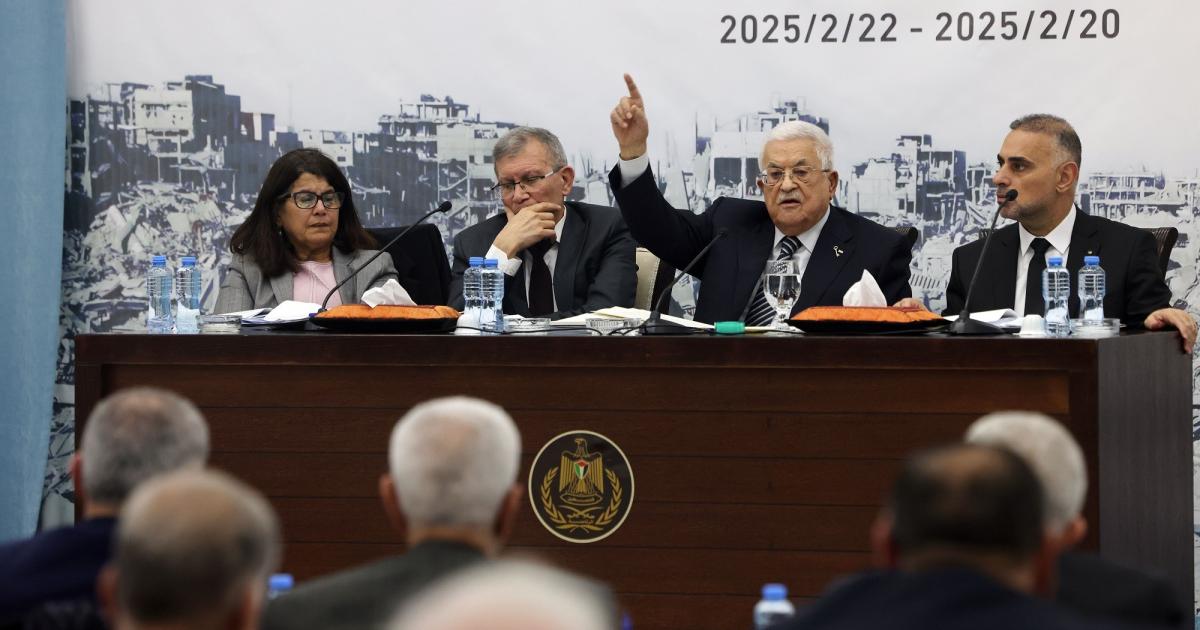
The year 2026 looms as a pivotal moment for the Palestinian people, with President Mahmoud Abbas declaring it will be the “Year of Palestinian Democracy.” This commitment, underscored during his recent address to the 13th session of the Fatah Revolutionary Council, signals a determined push towards strengthening democratic institutions and processes. The announcement included a comprehensive roadmap for internal reforms, culminating in general elections, and a renewed call for international support in ending the Israeli occupation and achieving a just and lasting peace. This article delves into the key aspects of President Abbas’s vision, the challenges anticipated, and its potential impact on the future of Palestine.
## رؤية الرئيس عباس للانتخابات الفلسطينية في 2026 (President Abbas’s Vision for Palestinian Elections in 2026)
During his speech on Thursday, January 8th, 2026, President Abbas emphatically stated the intention to proceed with crucial democratic steps throughout the year. These steps begin with local council elections scheduled for April and will continue with the eighth general conference of the Fatah movement and the election of the Palestinian National Council. The ultimate goal, as reiterated by the President, is to hold general elections that encompass both the Gaza Strip and the West Bank, including Jerusalem, as a unified political and geographical entity. This ambition recognizes the critical need for a representative government that reflects the will of the Palestinian population as a whole. This focus on democracy is a key element to advancing the Palestinian cause and builds upon sustained calls for political reform.
## تثبيت وقف إطلاق النار وإعادة إعمار غزة (Consolidating the Ceasefire and Reconstructing Gaza)
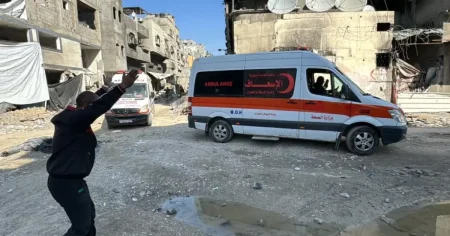
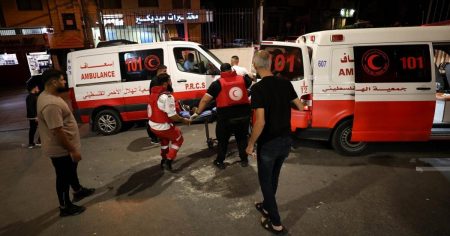
Beyond the electoral roadmap, President Abbas prioritized the immediate needs of the Palestinian people, particularly those in the Gaza Strip. He stressed the urgency of solidifying the ceasefire and ensuring the swift delivery of humanitarian aid. Critically, he spoke about the necessity of implementing the second phase of a proposed plan – likely referencing elements discussed internationally – which calls for a complete Israeli withdrawal from Gaza and the handover of governance to Hamas, followed by the establishment of a transitional administrative committee.
However, this committee must function under the full authority of the Palestinian government, reinforcing the principle that the Gaza Strip is an integral part of the Palestinian state, encompassing the West Bank and East Jerusalem. Reconstruction efforts, he emphasized, must proceed without forced displacement, laying the groundwork for a sustainable political process founded on international law and the Arab Peace Initiative. Addressing the humanitarian crisis in Gaza requires immediate action but must also be linked to a long-term solution for Palestinian statehood.
## التحديات في الضفة الغربية والقدس الشرقية (Challenges in the West Bank and East Jerusalem)
President Abbas did not shy away from highlighting the perilous situation in the West Bank and East Jerusalem. He described the escalation of Israeli settlement activity, attempts at silent annexation, support for settler violence, and the ongoing policy of raids, home demolitions, and infrastructural damage as equally grave threats to peace and stability. The continued detention of Palestinian funds and the violation of holy sites were also condemned as unacceptable actions.
He rightly pointed out the severity of these issues, often overshadowed by the Gaza conflict, contribute to the overall deterioration of the Palestinian situation. These actions directly impede the possibility of a two-state solution and undermine the foundations for any future negotiation.
## الدعوة إلى الضغط الدولي وتعزيز الاعتراف بدولة فلسطين (The Call for International Pressure and Strengthening Recognition of the State of Palestine)
Appealing to the international community, President Abbas urged increased pressure on Israel to cease its unilateral actions that jeopardize any regional or international efforts aimed at de-escalation and fostering a conducive environment for serious peace talks. He praised the ongoing Palestinian and Arab efforts to garner international support, which have yielded impressive results.
Currently, the State of Palestine has achieved recognition from 160 countries, including influential nations in Europe and globally, such as France, Britain, Belgium, Canada, and Australia. The recent ministerial and summit-level conferences, spearheaded by Saudi Arabia and France, demonstrated significant empathy and support for the Palestinian cause. These successes are vital for leveraging international legitimacy to achieve Palestinian rights. Recognizing the state of Palestine is a crucial step towards holding Israel accountable to international law and Enabling the Palestinians to achieve self-determination.
## منظمة التحرير الفلسطينية وتجديد القيادة الشبابية (The Palestine Liberation Organization and Renewing Youth Leadership)
President Abbas reaffirmed the central role of the Palestine Liberation Organization (PLO) as the sole legitimate representative of the Palestinian people. He emphasized the PLO’s historical significance in preserving Palestinian constants and elevating the issue from one of mere relief to a national liberation struggle embraced by the Arab and Muslim worlds, and prioritized by the international community.
Furthermore, he lauded the recent general conference of Fatah Youth, which resulted in the election of a dynamic and capable young leadership. This new generation, he believes, will be instrumental in safeguarding and advancing the national project with courage and competence. This focus on bringing forward young leaders is critically important to sustaining the Palestinian cause.
## الاستحقاقات الانتخابية القادمة والبرامج الإصلاحية (Upcoming Electoral Requirements and Reform Programs)
Looking ahead, President Abbas underscored the importance of holding the upcoming elections – for municipal and rural councils, the eighth Fatah conference, and the Palestinian National Council – as a paramount national obligation in 2026. He affirmed his commitment to overcoming any obstacles hindering their successful implementation, reinforcing Palestinian democracy.
Meanwhile, he reiterated his dedication to continuing the current reform programs aimed at modernizing the Palestinian legal and institutional framework. This includes strengthening the rule of law, promoting good governance, transparency, accountability, and ensuring the separation of powers – all designed to serve the public interest and bolster citizens’ trust in their state institutions. Establishing a framework work that would help transition Palestinian authorities to an independent state is vital.
In conclusion, President Abbas’s address paints a clear vision for the future – a future rooted in strengthening Palestinian democracy, achieving reconciliation, securing international recognition, and ultimately, realizing a sovereign and independent Palestinian state. While challenges undoubtedly remain, the declared commitment to elections and structural reforms, alongside ongoing diplomatic efforts, signals a renewed determination to pursue a just and lasting peace for the Palestinian people. The success of this ambitious plan will depend on continued international support, national unity, and the dedication of a new generation of leaders.