







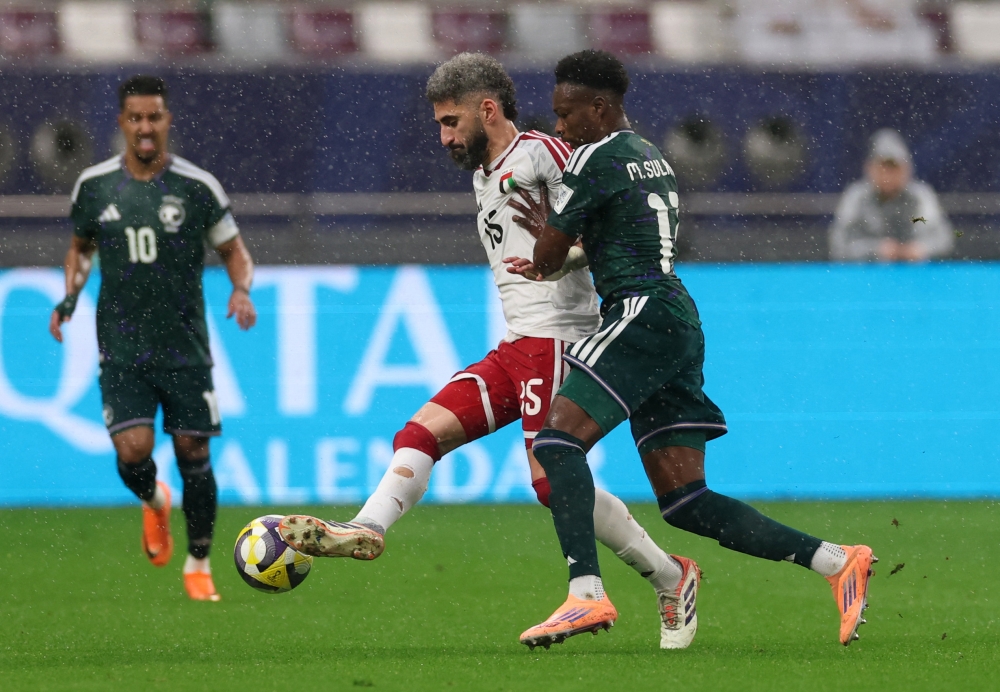
The torrential downpour and accompanying thunderstorms in Doha today led to a surprising outcome in the third-place match of the Arab Cup 2025 between the UAE and Saudi Arabia. The game, held at Khalifa International Stadium, was officially cancelled due to the severe weather conditions, and both teams were awarded joint third place. This decision, confirmed by a responsible source within the UAE Football Association to “Al Emarat Al Youm,” was based on the scoreline at the end of the first half – a goalless draw. The safety of the players was paramount, ultimately dictating the unusual conclusion to this highly anticipated match. This article will delve into the details of the cancellation, the reasoning behind the decision, and expert opinions on prioritizing player welfare in such circumstances, focusing on the مباراة السعودية والإمارات (UAE vs Saudi Arabia match).
إلغاء مباراة السعودية والإمارات بسبب الأمطار الغزيرة (Cancellation of the UAE vs Saudi Arabia Match Due to Heavy Rain)
The match between the UAE and Saudi Arabia was initially underway, but the increasingly heavy rainfall and the threat of lightning quickly escalated the situation. International referee Christian Garay, from Chile, made the prudent decision to halt play, prioritizing the well-being of the players. The conditions deteriorated rapidly, making continued play increasingly dangerous.
The decision wasn’t taken lightly. Both national team coaches, recognizing the perilous conditions, agreed that returning to the field would pose an unacceptable risk of injury to their players. This mutual understanding and commitment to player safety played a crucial role in the final outcome.
تطور الأحوال الجوية (Development of Weather Conditions)
The weather in Doha had been unpredictable leading up to the match, but the sudden intensification of the storm caught many off guard. Reports indicate that the rainfall was exceptionally heavy, leading to significant waterlogging on the pitch. Coupled with strong winds and frequent thunder, the environment became unsuitable – and potentially hazardous – for professional football. The stadium’s drainage system was simply unable to cope with the sheer volume of water.
سلامة اللاعبين أولاً: قرار الاتحاد الدولي (Player Safety First: FIFA’s Decision)
The decision to cancel the مباراة السعودية والإمارات and award joint third place underscores FIFA’s unwavering commitment to player safety. Former international referee and arbitration expert, Abdullah Al-Ajil, emphasized this point to “Al Emarat Al Youm,” stating that the well-being of the players is always the top priority for the international governing body.
This isn’t merely a matter of avoiding physical injuries. The psychological impact of playing in such frightening conditions, with the constant threat of lightning strikes, also needs to be considered. Al-Ajil explained that referees are empowered to make such decisions based on a comprehensive risk assessment.
بروتوكولات الطقس في كرة القدم (Weather Protocols in Football)
Modern football has increasingly sophisticated weather protocols in place. These protocols, developed by FIFA and implemented by various leagues and tournaments, outline specific procedures for dealing with adverse weather conditions. They include guidelines for monitoring the weather, suspending play, and resuming the game only when it is deemed safe to do so. The Arab Cup organizers followed these protocols meticulously, leading to the swift and decisive action taken by the referee. These protocols are becoming increasingly important given the growing impact of الطقس المتطرف (extreme weather) on sporting events globally.
ردود الفعل على القرار (Reactions to the Decision)
While the cancellation of the مباراة السعودية والإمارات was undoubtedly unusual, it was largely met with understanding and acceptance. Fans and commentators alike acknowledged the importance of prioritizing player safety over sporting competition. The decision avoided a potentially tragic situation and demonstrated a responsible approach to managing unforeseen circumstances.
However, some expressed disappointment at not seeing a full conclusion to the match. The third-place play-off often provides a valuable opportunity for teams to gauge their progress and build momentum. Nevertheless, the overwhelming consensus was that the right call was made. The focus now shifts to learning from this experience and improving weather preparedness for future tournaments. The incident also sparked discussion about the impact of تغير المناخ (climate change) on football and the need for proactive measures to mitigate its effects.
مستقبل البطولات في ظل الظروف الجوية (The Future of Tournaments in Light of Weather Conditions)
This incident serves as a stark reminder of the challenges posed by increasingly unpredictable weather patterns. As climate change continues to impact global weather systems, sporting events are likely to face more frequent disruptions. Organizers will need to invest in advanced weather monitoring technology, improve stadium drainage systems, and develop more robust contingency plans.
Furthermore, there may be a need to reconsider the scheduling of tournaments in regions prone to extreme weather events. The cancellation of the مباراة السعودية والإمارات highlights the importance of adaptability and a proactive approach to ensuring the safety and integrity of sporting competitions. Ultimately, the well-being of the athletes must remain the paramount concern.
In conclusion, the cancellation of the UAE vs Saudi Arabia match at the Arab Cup 2025 was a necessary and responsible decision driven by the severe weather conditions and a commitment to player safety. While disappointing for those hoping to see a full match, the outcome was widely accepted as the correct one. This event underscores the growing importance of weather preparedness in modern football and the need for continued vigilance in protecting athletes from the risks associated with extreme weather. We encourage readers to share their thoughts on this incident and the broader implications for the future of sports in a changing climate.


