







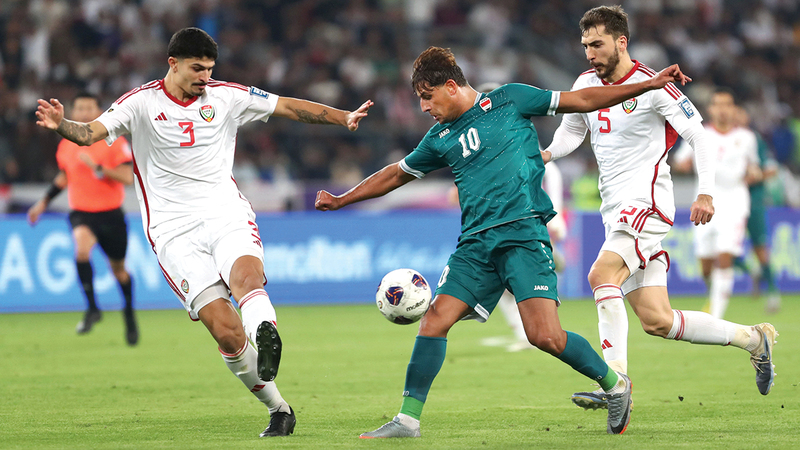
The recent defeat against Iraq in the AFC Asian Cup qualifying play-off has sparked intense debate and analysis regarding the UAE national team’s failure to secure a spot in the 2026 FIFA World Cup. Many prominent sports figures are pointing fingers at the technical aspects of the team’s performance, and specifically, the role of head coach Olário Cosmin, as the primary reason for the disappointing outcome. This article delves into the criticisms leveled against the coach and the team, exploring the key issues that contributed to their inability to reach the expanded World Cup tournament. The focus remains on understanding the reasons behind the failure to qualify for the World Cup 2026 and potential paths forward.
تحليل أسباب الإخفاق: نظرة فنية على مشوار التصفيات
The consensus among analysts and former players is that the UAE’s shortcomings weren’t due to a lack of talent, but rather a lack of tactical direction and consistent execution. Despite showcasing moments of brilliance, particularly in the recent match against Iraq, the team consistently failed to translate promising performances into positive results. The loss to Iraq, a 2-1 defeat in Basra, effectively ended the UAE’s hopes of participating in the 2026 World Cup, and the post-match reaction has been overwhelmingly critical of Cosmin’s leadership. The team possesses a core of talented players from the UAE Pro League, yet the coach struggled to forge a cohesive and effective unit.
الأخطاء الدفاعية القاتلة: نقطة ضعف متكررة
A recurring theme in the criticism centers around the team’s persistent defensive vulnerabilities. Several players, notably Yahya Nader, have been singled out for costly errors that directly led to goals conceded. Nader’s own goal and subsequent contribution to Iraq’s penalty kick highlight a pattern of individual mistakes that have plagued the national team throughout the qualifying campaign. This lack of defensive solidity wasn’t simply a matter of individual errors; it also pointed to a failure in the coaching staff’s ability to organize and fortify the backline.
This highlights a bigger issue: the absence of a stable defensive line-up. Cosmin’s constant changes in defense prevented players from building understanding and cohesion, creating uncertainty and ultimately contributing to the recurring errors. The inability to address these crucial defensive weaknesses significantly hampered the team’s chances of progressing. The discussion around UAE football team performance often circles back to these fundamental defensive flaws.
غياب الثبات على التشكيلة الأساسية
The constant shuffling of the starting eleven, particularly in key positions, has been a major point of contention. The lack of a settled formation and consistent player selection created instability and hindered the development of team chemistry. Players were unable to fully understand their roles and responsibilities within the team structure, leading to confusion and miscommunication on the pitch. This tactical inconsistency made it difficult for the team to establish a clear identity and play with confidence.
الجانب الهجومي: فرص ضائعة وغياب للفاعلية
While the defensive issues were prominent, the team also struggled to consistently convert opportunities into goals. Despite possessing a number of capable attackers in the league, Cosmin failed to unlock their full potential and create a potent attacking force. The absence of a clinical finisher, a player who can reliably capitalize on scoring chances, was acutely felt during crucial matches.
The team’s inability to effectively break down opposing defenses and create clear-cut opportunities further exacerbated the problem. This lack of attacking prowess, combined with the defensive vulnerabilities, proved to be a fatal combination. The need for a more effective attacking strategy is a key takeaway from this national team qualification campaign.
فقدان الفرص الذهبية: نقطة اللاعودة
Dr. Ahmed Al-Awadhi, a football analyst, emphasized that the UAE’s chances of qualifying were effectively lost when they failed to secure direct qualification from the group stage. He pointed to the crucial match against Qatar as a missed opportunity, where a victory would have guaranteed a spot in the World Cup. The subsequent failure in the Asian play-off only compounded the disappointment.
Al-Awadhi also highlighted the lack of experience within the squad and the coach’s hesitancy to take risks in key moments. He believes that a more courageous approach and a greater reliance on seasoned players could have yielded different results. He stressed that the entire system, with the coach at its helm, must take responsibility for the outcome.
الخلاصة: مراجعة شاملة وتصحيح المسار
The failure to qualify for the 2026 World Cup represents a significant setback for UAE football. The criticisms leveled against Olário Cosmin, while harsh, are largely justified given the team’s inconsistent performances and recurring tactical errors. The issues of defensive fragility, a lack of attacking firepower, and the absence of a stable team selection all contributed to the disappointing outcome.
Moving forward, a comprehensive review of the national team program is essential. This review should focus on identifying the root causes of the problems and implementing effective solutions. The UAE Football Association must prioritize the appointment of a coach who can instill a clear tactical identity, foster team cohesion, and develop a winning mentality. Furthermore, investing in youth development and providing more opportunities for emerging talent will be crucial for ensuring the long-term success of the national team. The focus now must shift to building a stronger, more resilient team capable of competing at the highest level and achieving future football success in the UAE.


