







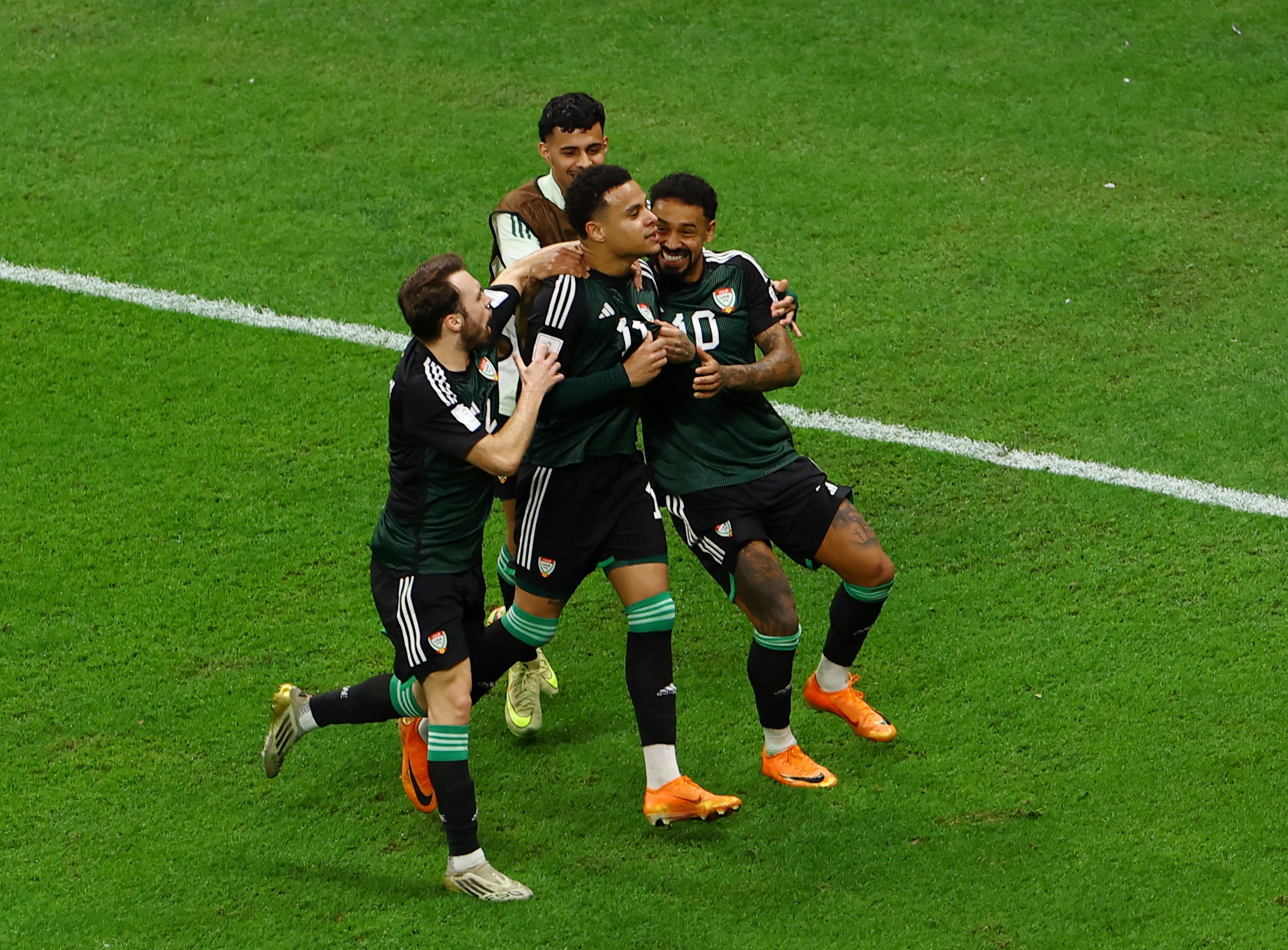
The United Arab Emirates national football team achieved a historic milestone, reaching the semi-finals of the Arab Cup for the first time ever. This remarkable feat was secured after a thrilling penalty shootout victory against Algeria, concluding with a 7-6 scoreline. The match, played on Friday evening, ended in a 1-1 draw after both regular and extra time, setting the stage for a nail-biting conclusion. This article will delve into the details of this momentous كأس العرب (Arab Cup) journey, analyzing the match against Algeria and the factors contributing to the UAE’s success.
مسيرة الإمارات التاريخية في كأس العرب (UAE’s Historic Journey in the Arab Cup)
The victory over Algeria marks a turning point for the UAE national team. Previously, the team hadn’t progressed beyond the quarter-final stage in the Arab Cup. This year, however, a combination of tactical adjustments, resilient performances, and a touch of luck propelled them forward. The atmosphere surrounding the team is now one of optimism and belief, as they prepare to face a challenging opponent in the semi-finals. The team’s performance has ignited passion amongst Emirati football fans, creating a buzz not seen in years.
تحليل مباراة الإمارات والجزائر (Analysis of the UAE vs. Algeria Match)
The match against Algeria was a true test of the UAE’s character. The first half saw a cautious approach from the Emirati side, prioritizing defensive stability over attacking flair. While they managed to keep a clean sheet initially, they struggled to create meaningful opportunities, appearing somewhat hesitant in the final third. Algeria, despite having goals disallowed for offside, dominated possession and looked the more threatening team.
الشوط الأول: حذر دفاعي (The First Half: Defensive Caution)
The initial strategy seemed to be containing Algeria’s potent attack. However, this resulted in a lack of penetration and a reliance on long balls, which were easily dealt with by the Algerian defense. The midfield lacked the necessary creativity to unlock the opposition, and the forwards found themselves isolated. This conservative approach, while understandable given Algeria’s reputation, ultimately proved ineffective in establishing control of the game.
الشوط الثاني: نقطة التحول والتعادل (The Second Half: Turning Point and Equalizer)
The second half witnessed a dramatic shift in momentum. Algeria took the lead through Adel Boulbina, following a rebound from a Yacine Brahimi shot that was initially saved by UAE goalkeeper Hamad Al-Meqbali. This goal served as a wake-up call for the UAE, forcing them to abandon their defensive shell and adopt a more proactive approach.
The introduction of Bruno Oliveira proved pivotal. He finally broke the deadlock in the 64th minute, capitalizing on a well-placed cross from Yahya Al-Ghassani. The goal injected new life into the Emirati team and ignited the hopes of a comeback. This moment highlighted the importance of attacking substitutions and a willingness to take risks.
التكتيك والتبديلات الحاسمة (Tactics and Crucial Substitutions)
UAE coach Olariu Cozmin deserves credit for his tactical adjustments throughout the match. The substitution of Essam Fayez for Yahya Nader in the 75th minute proved to be a masterstroke, restoring balance to the midfield and disrupting Algeria’s flow. This change allowed the UAE to regain control of possession and limit Algeria’s opportunities.
Furthermore, the coach’s decision to encourage a more attacking style after conceding the goal demonstrated his belief in the team’s ability to respond. The team’s resilience and willingness to fight for every ball were evident throughout the match, particularly during the intense penalty shootout. The coach’s strategic thinking was a key factor in securing the victory in this crucial مباراة كأس العرب (Arab Cup match).
جدل التحكيم في الدقائق الأخيرة (Controversial Refereeing in the Final Minutes)
The match wasn’t without its share of controversy. In the dying moments of added time, a clear handball by Algerian defender Ashraf Abada inside the penalty area went unnoticed by the referee, Adham Makhadmeh. This decision sparked outrage among UAE fans and prompted debate among football analysts.
Former Bahraini international referee Nawaf Shukrallah confirmed the validity of the UAE’s claim for a penalty in televised statements. He explained that the ball directly struck the defender’s hand without any prior contact with another part of his body, thus interrupting a promising attack. Shukrallah also expressed his surprise that the Video Assistant Referee (VAR) wasn’t consulted to review the incident, emphasizing that there’s no legal basis to prevent a decisive intervention even in the final moments of the game. This incident underscores the ongoing need for consistent and accurate application of VAR technology in football. The debate surrounding the refereeing decision adds another layer of drama to this already captivating بطولة كأس العرب (Arab Cup tournament).
نظرة إلى الأمام: نصف النهائي وما بعده (Looking Ahead: The Semi-Final and Beyond)
The UAE’s victory over Algeria is a significant achievement, but the journey doesn’t end here. They now face a formidable opponent in the semi-finals, and will need to maintain their momentum and continue to perform at their best. This historic run in the Arab Cup has not only boosted the team’s morale but has also reignited the passion for football among Emirati supporters. The team’s success serves as an inspiration for future generations of Emirati footballers, demonstrating that with hard work, dedication, and a strong team spirit, anything is possible. The focus now shifts to preparation and ensuring the team is fully fit and mentally prepared for the challenges that lie ahead.


