








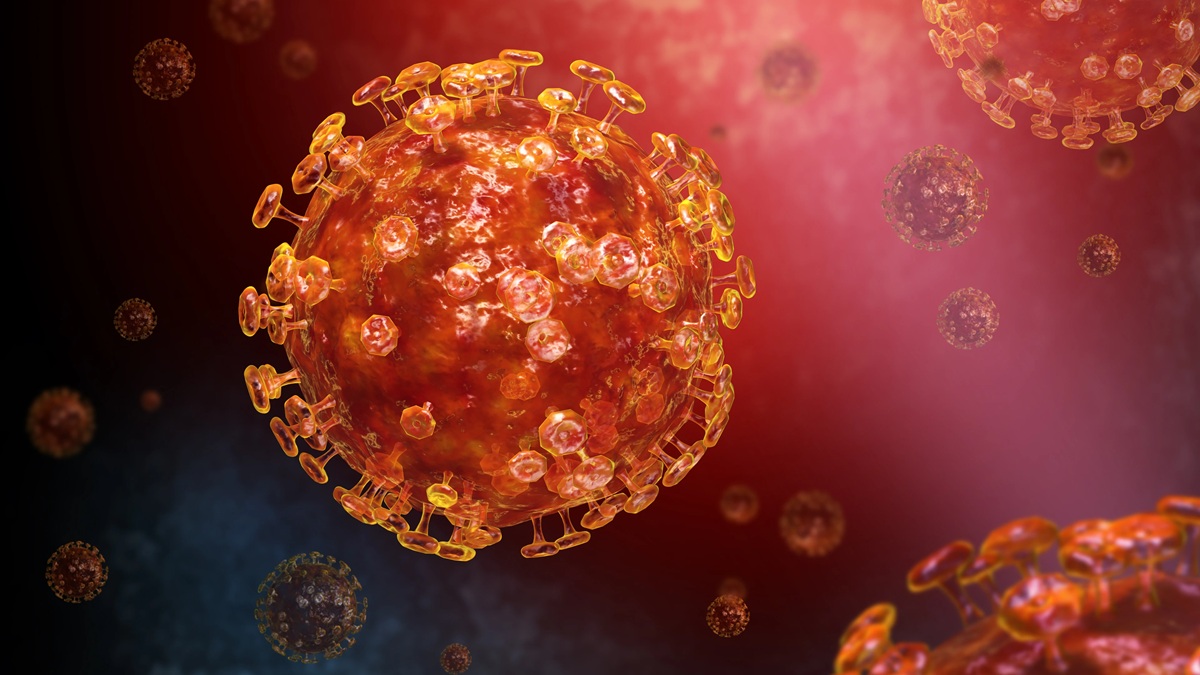
The recent circulation of reports regarding the Middle East Respiratory Syndrome Coronavirus (MERS-CoV) has understandably sparked some concern. However, the Kingdom of Saudi Arabia has today, Sunday, officially dismissed these concerns, affirming that there are no indications of a new outbreak of فيروس ميرس (MERS virus). This clarification comes following statements from the Saudi Ministry of Health, aiming to address public anxieties and provide accurate information.
تطورات فيروس ميرس: توضيح من وزارة الصحة السعودية (MERS Virus Developments: Clarification from the Saudi Ministry of Health)
Dr. Abdullah Asiri, the Deputy Minister of Health for Population Health in Saudi Arabia, addressed the matter directly via his official account on the “X” platform (formerly Twitter). He explained that the recent reports referencing the World Health Organization (WHO) regarding فيروس ميرس were subject to misinterpretation and misunderstanding. The report in question, he clarified, is a routine, periodic update and does not contain any exceptional findings or warnings of a new outbreak.
This proactive response from the Ministry of Health is crucial in maintaining public trust and preventing unnecessary panic. It highlights the importance of relying on official sources for health information, especially in the age of rapid information dissemination through social media.
انخفاض حالات الإصابة واستقرار الوضع الصحي (Decreased Infection Rates and Stable Health Situation)
Dr. Asiri emphasized a significant decline in فيروس ميرس infections since the onset of the COVID-19 pandemic. Current infection rates remain very low, indicating a stable health situation within the Kingdom. He reassured the public that there is no cause for alarm at this time.
This positive trend is a result of ongoing surveillance, preventative measures, and improved public health infrastructure. The experience gained during the COVID-19 pandemic has undoubtedly strengthened the Kingdom’s ability to monitor and respond to emerging infectious diseases.
طبيعة الفيروس ومصدره (The Nature of the Virus and its Source)
The Ministry of Health also noted that the فيروس ميرس itself has not undergone any new genetic mutations. The virus continues to be endemic in camels, and transmission to humans remains limited to close contact with these animals, particularly when proper preventative measures are not followed. This pattern has been well-known and consistently monitored for years.
Understanding the zoonotic nature of the virus – its origin in animals – is key to effective prevention. Public awareness campaigns focusing on safe handling of camels and adherence to hygiene practices are vital in minimizing the risk of transmission. The term “الوقاية خير من العلاج” (prevention is better than cure) is particularly relevant here.
لا دلائل على تفشٍ جديد أو خطر على الصحة العامة (No Evidence of a New Outbreak or Public Health Risk)
Dr. Asiri was unequivocal in stating that there is no scientific or epidemiological evidence to suggest a new outbreak or a general threat to public health. He reiterated that the WHO’s periodic reports are intended for continuous monitoring and surveillance, and do not automatically signify a health emergency.
This clarification is essential to counter misinformation and ensure that public resources are allocated effectively. It’s important to remember that routine monitoring is a standard practice in public health, and the absence of alarming findings is a positive sign. The focus remains on maintaining vigilance and preparedness.
جهود الرصد الوبائي المستمرة وأهمية المصادر الرسمية (Ongoing Epidemiological Surveillance Efforts and the Importance of Official Sources)
The Ministry of Health affirmed its continued commitment to robust epidemiological surveillance and health monitoring systems, adhering to the highest standards. They strongly urged the public to rely on official sources for information regarding فيروس ميرس and other health concerns, and to avoid being misled by inaccurate interpretations of international reports.
This call for responsible information consumption is crucial. Official channels, such as the Ministry of Health website and social media accounts, provide verified and up-to-date information, ensuring that the public is well-informed and can make responsible decisions. Furthermore, seeking guidance from healthcare professionals is always recommended.
In conclusion, the Kingdom of Saudi Arabia has provided a clear and reassuring message regarding the current situation with فيروس ميرس. The Ministry of Health’s proactive communication, coupled with ongoing surveillance and preventative measures, demonstrates a strong commitment to protecting public health. It is vital to remain informed through official channels and to prioritize preventative practices, particularly when interacting with camels. For the latest updates and guidance, please refer to the official website of the Saudi Ministry of Health: https://www.moh.gov.sa/ (replace with actual link if needed).


