








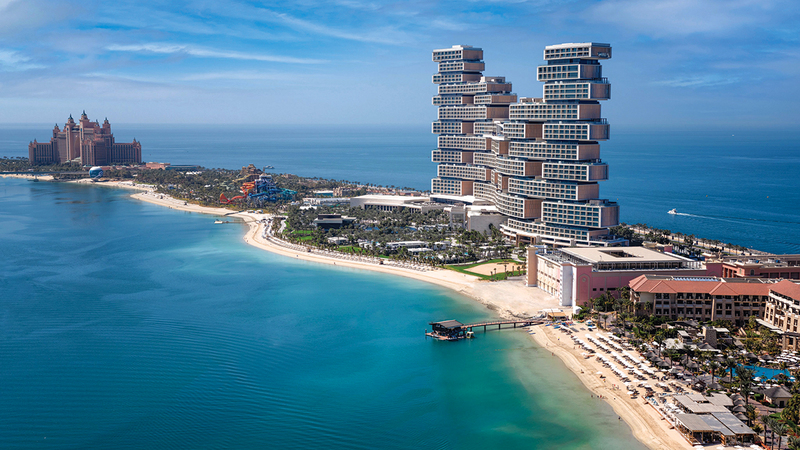
The United Arab Emirates has rapidly emerged as a global tourism powerhouse, attracting both visitors and substantial investment. This isn’t accidental; it’s the result of strategic planning, significant infrastructure development, and a commitment to creating a welcoming and diverse destination. The growth in tourism in the UAE is a compelling story of economic diversification and vision for the future, making it a key pillar of the nation’s success. This article will delve into the factors driving this impressive expansion, the government initiatives supporting it, and the latest figures showcasing the UAE’s leading position in the industry.
The UAE: A Rising Star in Global Tourism
The UAE’s success in attracting tourists stems from a compelling combination of natural beauty, modern infrastructure, and a pro-active approach to hospitality. From the vast deserts and stunning oases to the majestic mountains, fertile valleys, and pristine beaches, the country offers a remarkable diversity of landscapes. Add to this a strategically advantageous location connecting East and West, a stable economy and political climate, and a culture embodying tolerance and inclusivity, and it’s easy to see why the UAE has become a preferred destination for travelers worldwide, particularly during the pleasantly mild winter months. This appeal isn’t just broad; it targets diverse interests, from cultural explorations and adventure tourism to luxury shopping and world-class events.
Significant Investment Fuels Growth in UAE Tourism
The UAE understands that a thriving tourism sector is reliant on continuous investment. Consequently, it has implemented strong incentives aimed at attracting both domestic and foreign capital. These incentives include tax exemptions, complete foreign ownership of businesses (100% ownership), the flexibility to choose from over 40 free zones, facilitation of all economic activities without the need for a national agent, no minimum capital requirements, and full repatriation of profits. Long-term residency permits (5-10 years) and streamlined labor regulations further sweeten the deal for investors.
These policies have demonstrably worked. During 2023, the UAE attracted AED 28.8 billion in tourism investment, which increased to AED 32.2 billion in 2024 and is projected to reach AED 35.2 billion in 2025. These investments aren’t solely focused on hotels; they encompass entire entertainment destinations, infrastructure upgrades (airports, roads, public transport), and technological advancements to enhance the tourists’ experience. The influx has also led to the opening of 16 new hotels in 2024 alone, bringing the total to 1243 establishments offering over 216,000 rooms.
National Initiatives to Enhance Tourism
Recognizing the industry’s strategic importance, the UAE government has launched several national initiatives. These include:
- The National Tourism Charter: A framework to drive sustainable development and enhance the quality of tourism offerings.
- Summer Hospitality Internship Program: Designed to nurture local talent in the hospitality industry, ensuring a skilled workforce.
- Promotion of Domestic Tourism: Encouraging residents to explore the UAE’s attractions, boosting local economies.
- Increased International Presence: Actively participating in global tourism organizations and maximizing international visibility.
- Integrating Tourism into Education: Raising awareness and fostering appreciation for the tourism sector among future generations.
Embracing Digital Transformation in Tourism
The UAE isn’t content with simply maintaining its current success; it’s actively planning for the future. Within the framework of the National Tourism Strategy 2031, the Ministry of Economy and Tourism is implementing a series of digital projects. These include electronic linkage of hotel data with local tourism authorities, fostering a more cohesive and accurate understanding of visitor trends.
Looking ahead to 2026, the focus will be on diversifying and developing tourism products, combined with the adoption of innovative technologies. This commitment to Digital tourism aims to create a seamless and personalized experience for visitors, leveraging data analytics and AI to anticipate their needs and tailor offerings accordingly. Sustainability will also be central, integrating eco-friendly practices into all tourism-related activities and services.
The UAE’s Global Tourism Rankings
The UAE’s deliberate focus on tourism has translated into impressive rankings on the world stage. The country consistently features among the top seven global destinations for tourist spending. Furthermore, it has secured leading positions in several competitive indices related to air travel and tourism, particularly excelling in the quality of its air transport infrastructure.
Recent data from the World Economic Forum’s 2024 Travel & Tourism Competitiveness Report further underlines its strengths. The UAE ranked first regionally and 18th globally, taking the top spot worldwide in terms of travel and tourism data provision, air transport infrastructure, infrastructure and services, inclusiveness of travel and tourism data, efficiency of air travel services, and policies and enabling conditions for tourism and travel.
Key Statistics Show a Robust Sector
The numbers speak for themselves. In the first eight months of 2025, UAE airports welcomed approximately 102.9 million passengers – a notable 5.3% increase compared to the 97.9 million passengers during the same period in 2024. International visitor spending reached AED 217.3 billion in 2024, a 5.8% increase year-on-year and a significant 30.4% rise compared to 2019 pre-pandemic levels. Domestic tourism also contributed significantly, with spending reaching AED 57.6 billion, a 2.4% increase from 2023 and a 41% jump from 2019. These figures demonstrate not only a recovery from global disruptions but an upward trajectory toward sustained growth.
Looking Ahead: The UAE’s Tourism Vision 2031
The National Tourism Strategy 2031 represents the UAE’s ambitious roadmap for the future. It aims to elevate the country’s position as a leading tourism destination globally, with specific targets including:
- Increasing the tourism sector’s contribution to the national GDP to AED 450 billion.
- Attracting AED 100 billion in new investments into the tourism sector.
- Welcoming 40 million hotel guests.
This strategy will be implemented through close collaboration between government and private sector partners, ensuring a unified and effective approach. The UAE’s commitment to innovation, sustainability, and exceptional visitor experiences positions it for continued success in the dynamic world of travel to the UAE.
In conclusion, the UAE’s remarkable growth in tourism is a testament to its forward-thinking leadership, strategic investments, and dedication to providing world-class experiences. With ongoing initiatives and a clear vision for the future, the UAE is poised to remain a dominant force in the global tourism landscape for years to come. For investors and travelers alike, the UAE offers a compelling and rewarding destination.


