





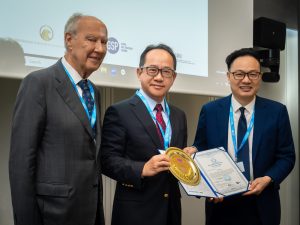


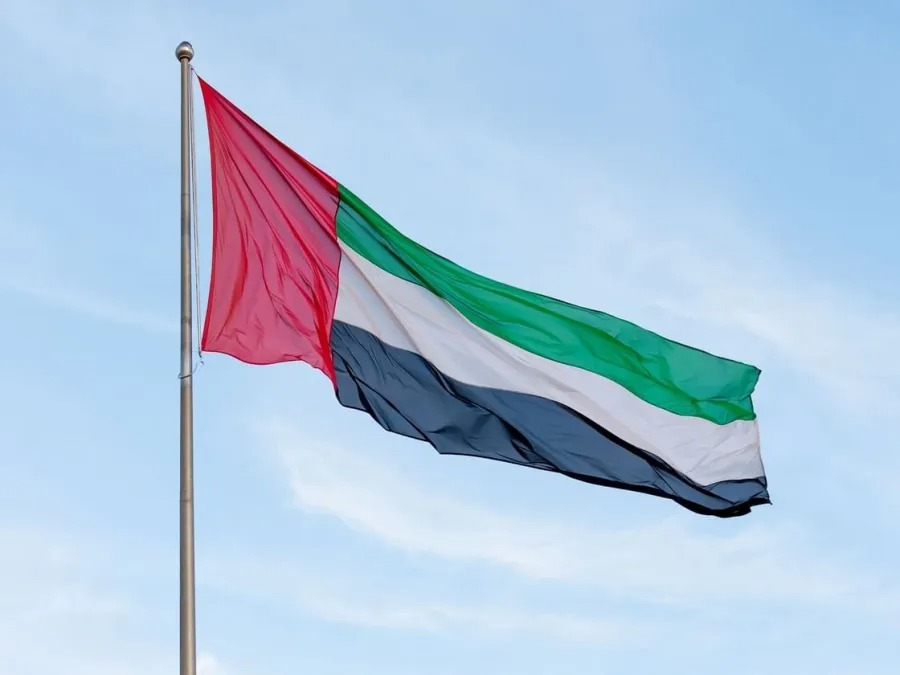
The Middle East and North Africa Financial Action Task Force (MENAFATF) recently announced the United Arab Emirates’ (UAE) presidency for 2026, with Hamed Saif Al Zaabi at the helm. This appointment marks a significant moment for the region, particularly as MENAFATF prepares for its Third Round of Mutual Evaluations, aligning with the Financial Action Task Force’s (FATF) Fifth Round methodology. The focus during the UAE’s presidency will center on strengthening regional preparedness, modernizing governance frameworks, and boosting international collaboration in the fight against financial crime. This article will delve into the implications of the UAE’s leadership of مينافاتف (MENAFATF) and its strategic priorities for the coming year.
UAE Assumes Presidency of MENAFATF: A Strategic Shift
The UAE’s assumption of the MENAFATF presidency is strategically important. As Hamed Saif Al Zaabi pointed out, the Middle East and North Africa region functions as a crucial connector in the global financial system, bridging continents and major trade routes. Consequently, developments within the region have an increasing impact on international financial stability. This pivotal role necessitates a robust and proactive approach to combating financial crime, and the UAE is committed to leading this charge.
The decision to establish a two-year succession plan with the Kingdom of Bahrain, which will take the presidency in 2027, underscores a shared dedication to continuity and long-term capacity building throughout the region. This collaborative approach demonstrates a unified front against evolving financial threats.
Strengthening Regional Preparedness for Mutual Evaluations
A key priority under the UAE’s leadership will be bolstering regional readiness for the upcoming Third Round of Mutual Evaluations. These evaluations, based on the FATF’s Fifth Round methodology, aim to assess each member country’s compliance with international standards on anti-money laundering (AML) and counter-terrorist financing (CTF).
This involves providing technical assistance and training to member states, facilitating knowledge sharing, and fostering a culture of compliance. The UAE recognizes the importance of a coordinated and consistent approach to these evaluations, ensuring that the region as a whole demonstrates a strong commitment to fighting financial crime. It is also vital to integrate the requirements of these evaluations into national strategies, a process the UAE intends to support actively.
Modernizing Governance Frameworks within MENAFATF
Alongside preparing for evaluations, the UAE will prioritize modernizing MENAFATF’s governance structures and internal processes. This includes enhancing the efficiency of MENAFATF’s operations and secretariat, as well as strengthening its resource base. Improved governance will not only enhance the organization’s effectiveness but also build trust among member countries and international partners.
The goal is to create a more agile and responsive organization capable of addressing the complex and rapidly evolving challenges in the field of مكافحة غسيل الأموال وتمويل الإرهاب (AML/CFT). This modernization initiative will be sustainable, laying the foundation for future growth and innovation.
Enhanced International Cooperation: A Global Response
Recognizing that financial crime is a global issue, the UAE will actively pursue expanded international cooperation during its presidency. This will involve strengthening ties with the FATF itself, as well as with other regional bodies and international oversight agencies.
The UAE intends to leverage its own strong international relationships to facilitate the exchange of information, best practices, and technical expertise. Furthermore, it will promote a unified regional voice in international forums, advocating for policies that address the specific vulnerabilities of the Middle East and North Africa. This also involves working towards enhancing mechanisms for استرداد الأصول (asset recovery), a crucial aspect of combating financial crime and ensuring justice for victims.
Addressing Emerging Financial Risks
The landscape of financial crime is constantly evolving, with new risks emerging from areas like virtual assets, financial technology (FinTech), and artificial intelligence (AI). The UAE’s presidency of مينافاتف will dedicate attention to analyzing these new threats and developing effective countermeasures.
This will include conducting in-depth studies of the latest trends and patterns in virtual asset transactions, assessing the potential risks associated with FinTech innovations, and exploring how AI can be used to both facilitate and combat financial crime. The overarching objective is to ensure that MENAFATF and its member states are well-equipped to address these challenges proactively.
The focus on beneficial ownership transparency will also be paramount, as identifying and verifying the real individuals behind complex financial structures is vital for preventing illicit activities.
Regional Confidence and Global Alignment
The appointment of the UAE and its comprehensive program for 2026 has been warmly welcomed by MENAFATF members. It signals confidence in the UAE’s capacity to lead the organization and drive progress on key priorities. This alignment with global standards and emerging risks is essential, given the region’s increasingly significant role in the global financial system.
With a combined GDP exceeding $3 trillion USD across 21 member states, the region’s strategic importance cannot be overstated. The UAE’s leadership is poised to reinforce this importance and contribute significantly to the global effort in maintaining financial stability.
In conclusion, the UAE’s presidency of MENAFATF represents a critical juncture for the region, offering an opportunity to enhance its resilience, strengthen its institutions, and align its efforts more closely with international standards. By prioritizing regional preparedness, governance modernization, international cooperation, and the proactive addressing of emerging financial risks, the UAE aims to leave a lasting and positive impact on the fight against financial crime, both within the Middle East and North Africa and on the global stage. This initiative will undoubtedly require sustained commitment and collaboration from all stakeholders, but the potential rewards are significant – a more secure and prosperous future for the region and the world.


