






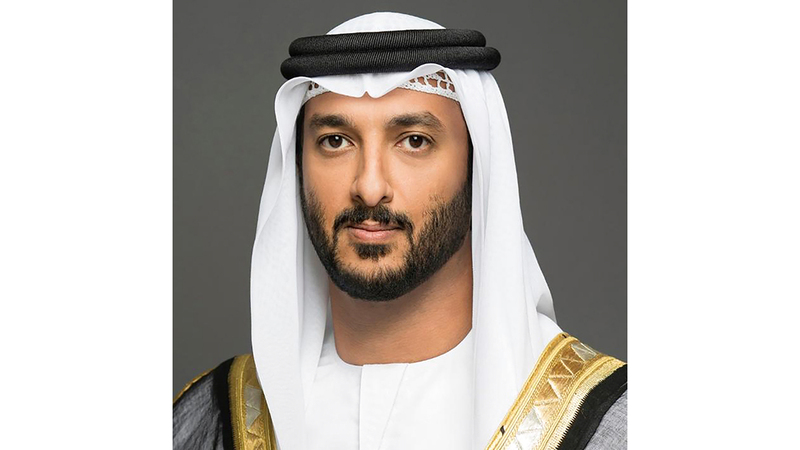
The United Arab Emirates continues to solidify its position as a global hub for business and tourism, achieving remarkable growth and attracting significant investment. Recent figures released by the Minister of Economy and Tourism, Abdullah bin Touq Al Mari, reveal a surge in new company registrations and a thriving tourism sector, marking a particularly successful period coinciding with the nation’s 54th Union Day. This article delves into the details of this economic and tourism boom, highlighting the key indicators and factors driving the UAE’s success. The impressive growth in investment in the UAE is a testament to its forward-thinking policies and stable economic environment.
Unprecedented Growth in New Business Registrations
Since the beginning of January until the end of November 2025, the UAE’s markets have welcomed over 220,186 new companies. This substantial influx demonstrates the increasing confidence investors have in the country’s business landscape. Furthermore, the Ministry of Economy and Tourism has registered more than 36,000 national and international brands entering the UAE market during the same period, representing a growth rate of 48.2% compared to the previous year.
This remarkable increase isn’t accidental. The UAE government has proactively implemented reforms aimed at simplifying business setup, reducing bureaucratic hurdles, and fostering a more competitive environment. These initiatives have clearly resonated with entrepreneurs and established businesses alike, making the UAE a preferred destination for expansion and new ventures. The focus on diversification is also attracting businesses beyond the traditional oil and gas sectors.
A Diversified Economy Leading the Gulf Region
On the economic front, the UAE is leading the growth trajectory among the Gulf Cooperation Council (GCC) countries. The real GDP of the UAE witnessed a robust 4.2% increase during the first half of 2025 compared to the same period in 2024. Even more encouraging is the growth of the non-oil GDP, which surged by 5.7%.
This signifies a crucial shift towards a more diversified economy, where non-oil activities now contribute a significant 77.5% to the real GDP. This diversification is a cornerstone of the UAE’s long-term economic vision, ensuring resilience and sustainable growth. The government’s commitment to supporting sectors like technology, manufacturing, and logistics is driving this positive trend. This strong economic performance is directly linked to increased foreign direct investment and a favorable business climate.
Tourism Sector Reaching New Heights
The UAE’s tourism sector is experiencing a golden age, consistently breaking records and earning international recognition. The appointment of Sheikha Naser Al Nuwais, an Emirati national, as the Secretary-General of the United Nations Tourism organization is a source of immense pride and underscores the UAE’s growing influence in the global tourism arena.
Adding to the accolades, the village of Masfout was crowned the “Best Tourism Village” globally for 2025, highlighting the country’s commitment to developing unique and authentic tourism experiences beyond the bustling cities. This recognition is a testament to the beauty and cultural richness of the UAE’s diverse regions. The attention to sustainable and cultural tourism is attracting a more discerning traveler.
Key Tourism Statistics & Achievements
Throughout the first nine months of 2025, the UAE emerged as one of the top seven global destinations for international tourist spending. Hotels across the nation welcomed 23.27 million guests, reflecting a growth of 4.9% compared to the same period last year. This influx of tourists translated into over 79.3 million hotel nights booked, solidifying the UAE’s position as a leading global tourism market.
Hotel revenues experienced a noteworthy increase of 7.2% during the same period, reaching more than AED 35.9 billion. This surge in revenue is attributed to increased occupancy rates, average daily rates, and a longer average length of stay. The availability of hotel rooms also expanded, reaching 216,248 rooms across 1,246 establishments throughout the UAE’s different emirates. The investment in tourism infrastructure continues to pay dividends, encouraging more tourism in Dubai and across the UAE.
Strong Operational Performance & Future Outlook
The key performance indicators within the tourism sector showcase continuous improvement. Hotel occupancy rates climbed to 79.2%, a 1.8% increase driven by both international arrivals and domestic tourism. The average length of stay also saw a slight rise, from 3.38 to 3.41 nights, indicating a deeper engagement with the country’s attractions.
Furthermore, the number of occupied hotel rooms increased by 3.5% to 46.17 million, while the average daily room rate rose by 4.2%, from AED 534 to AED 557. This demonstrates effective revenue management and sustained strong demand across different market segments.
The UAE’s success story is far from over. With ongoing investments in infrastructure, a proactive approach to economic diversification, and a commitment to sustainable tourism development, the nation is well-positioned to maintain its impressive growth momentum and further enhance its global competitiveness. The continued focus on innovation and attracting talent will be crucial for sustaining this positive trajectory.
In conclusion, the UAE’s economic and tourism sectors are experiencing a period of unprecedented growth, fueled by strategic government initiatives, a diversified economy, and a commitment to providing world-class experiences. The figures released by Minister Abdullah bin Touq Al Mari paint a clear picture of a nation thriving on innovation, investment, and a forward-looking vision. For those seeking opportunities in a dynamic and rapidly expanding market, the UAE presents an exceptionally attractive proposition. Explore the possibilities and discover why the UAE is a global leader in both business and tourism.


